
🚀 تخيل أن 70% من المشاريع حول العالم لا تفشل بسبب نقص الميزانية، بل بسبب ضعف التخطيط، وسوء التنسيق، وبطء اتخاذ القرار.
في عصر تتسارع فيه التقنية وتزداد فيه تعقيدات السوق، لم يعد الاعتماد على أساليب إدارة المشاريع التقليدية خياراً آمناً. بل أصبح مخاطرة حقيقية قد تكلف المؤسسات ملايين الريالات وتفوت عليها فرصاً استراتيجية لا تعوَّض.
📊 وفقاً للاتجاهات الحديثة، تعتمد أكثر من 80% من المؤسسات الرائدة اليوم على منهجيات مرنة وأدوات رقمية متقدمة لإدارة مشاريعها. ويقود هذا التحول التحول الرقمي، والذكاء الاصطناعي، وتطور نماذج العمل نحو الفرق الموزعة والعمل الهجين. ومع ازدياد المنافسة وارتفاع توقعات أصحاب المصلحة، أصبح النجاح يعتمد على القدرة على التكيف السريع، ووضوح الرؤية، وتطبيق حوكمة ذكية.
💡 وهنا يبرز مفهوم إدارة المشاريع المبتكرة كحل استراتيجي. فالأمر لا يقتصر على تنفيذ المهام، بل يتعلق بالربط بين:
✔ الأهداف الاستراتيجية
✔ كفاءة الفريق
✔ سرعة اتخاذ القرار
✔ ضبط المخاطر والتكاليف
📈 وفي السياق السعودي تحديداً، مع مشاريع التحول الوطني ورؤية 2030، تطور السؤال من:
"هل نحتاج إلى أدوات ومنهجيات جديدة لإدارة المشاريع؟"
إلى السؤال الأهم:
كيف نضمن إدارة مشاريعنا بذكاء، وتنفيذها بكفاءة، وتحقيقها للأثر المنشود في الوقت المحدد وضمن الميزانية المخصصة؟
🔍 في هذا المقال، نأخذك في رحلة عملية واحترافية لفهم كيف تعيد المنهجيات الحديثة والأدوات الرقمية المتقدمة تشكيل مستقبل إدارة المشاريع، وما تحتاجه اليوم لتكون في موقع الريادة بدلاً من مجرد متابعة الاتجاهات.
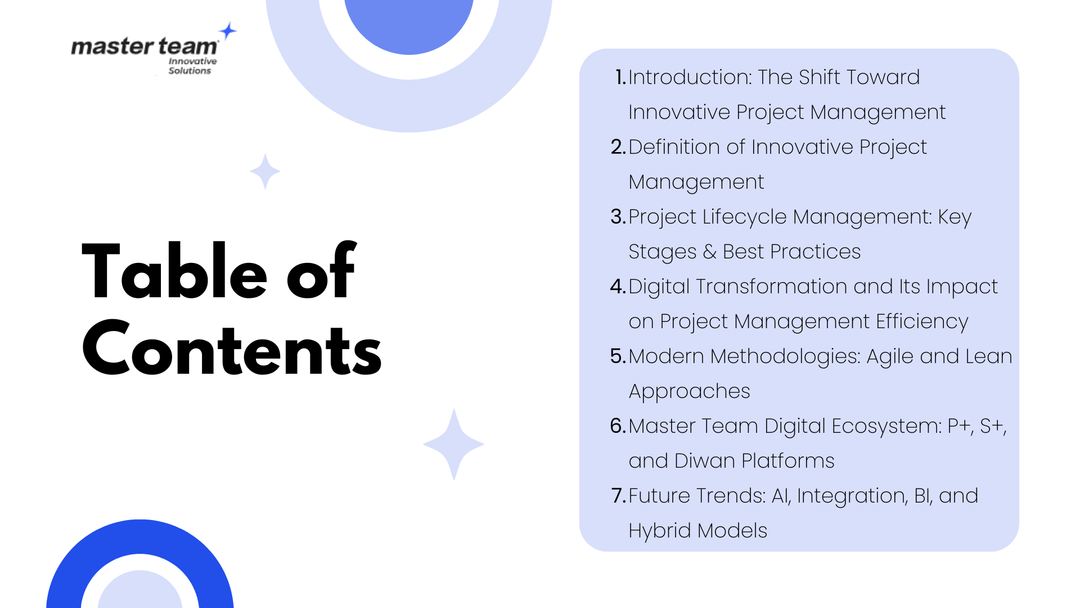
ما هي إدارة المشاريع المبتكرة؟
إدارة المشاريع المبتكرة هي نهج حديث يجمع بين المنهجيات الرشيقة والتقنيات الرقمية المتقدمة لإدارة المشاريع بذكاء وسرعة وقدرة عالية على التكيف مع التغيير.
ويتجاوز هذا الأسلوب في الإدارة مجرد التخطيط والتنفيذ؛ إذ ينطوي على إعادة تصميم طريقة إنجاز العمل نفسها من خلال استخدام أنظمة إدارة المشاريع الرقمية، والتحليلات الذكية، وأتمتة العمليات، وربط المشاريع مباشرة بالأهداف الاستراتيجية للمؤسسة.
تنتقل إدارة المشاريع المبتكرة من الإدارة التفاعلية (رد الفعل) إلى الإدارة الاستباقية، باستخدام البيانات في الوقت الفعلي للتنبؤ بالمخاطر، وتحسين توزيع الموارد، وتعديل الجداول الزمنية قبل حدوث الانحرافات. كما تركز على تمكين الفرق من التعاون بسلاسة عبر منصات رقمية موحدة، ما يحسّن الشفافية، ويسرّع اتخاذ القرار، ويقلل الاعتماد على العمليات اليدوية.
وفي السياق التنظيمي الحديث، ترتبط إدارة المشاريع المبتكرة ارتباطاً وثيقاً بمفاهيم مثل حوكمة المشاريع، وإدارة محفظة المشاريع (PPM)، والتحول الرقمي، ما يمكّن القيادة من مراقبة الأداء، وإدارة المخاطر، وضمان توافق المشاريع مع الرؤية الاستراتيجية، خاصة في البيئات المعقدة مثل المشاريع الحكومية ومبادرات التحول الوطني.
باختصار، إدارة المشاريع المبتكرة لا تقتصر على استخدام أدوات جديدة، بل تتعلق بتبني عقلية جديدة ترتكز على الابتكار والمرونة والقرارات المبنية على البيانات، لضمان نتائج مستدامة في عالم سريع التغير.
إدارة دورة حياة المشروع: المراحل الرئيسية وأفضل الممارسات لتحقيق النجاح
إدارة دورة حياة المشروع هي إطار عمل منهجي يضمن نجاح تنفيذ المشروع من خلال المرور بخمس مراحل رئيسية مترابطة، تبدأ ببدء المشروع وتنتهي بإغلاقه. وتُطبق أفضل الممارسات في كل مرحلة لضمان الالتزام بالأهداف والميزانية والجدول الزمني.
تعتمد المشاريع الناجحة على إدارة منظمة لدورة الحياة، إذ يمنح هذا النهج المشروع بنية واضحة تقلل من العشوائية وتزيد من فرص النجاح. تبدأ دورة الحياة بمرحلة البدء، حيث تُحدد رؤية المشروع وأهدافه ودراسة جدواه. وتُعد هذه مرحلة حرجة لأن أي خلل في الإعداد الأساسي قد يؤثر سلباً على المراحل اللاحقة. فالمشاريع التي لا تبدأ برؤية واضحة كثيراً ما تعاني من غياب الاتجاه، حتى لو كان التخطيط سليماً.
المرحلة التالية هي التخطيط، وهو العمود الفقري لإدارة المشاريع. وتشمل هذه المرحلة تفصيل المهام، ووضع الجداول الزمنية، وضبط الميزانيات، وتوزيع الموارد البشرية والتقنية. ويتطلب التخطيط الذكي توزيع الموارد عبر المراحل لتجنب الاختناقات أو استنزاف الميزانية مبكراً.
خلال مرحلة التنفيذ، تُترجم الخطط إلى إجراءات عملية، مع تتبع المهام مقارنة بالخطة المعتمدة. وتلعب أنظمة إدارة المشاريع الرقمية دوراً محورياً في تجميع البيانات ضمن منصة واحدة، ومراقبة الأداء في الوقت الفعلي، واكتشاف المخاطر والانحرافات مبكراً. وتسهّل منصات مثل منصة P+ التنفيذ والمراقبة من خلال لوحات معلومات تفاعلية، ما يتيح اتخاذ إجراءات تصحيحية فورية.
وتُعد مرحلة المراقبة والتحكم عملية مستمرة تواكب التنفيذ، وتضمن بقاء المشروع على المسار الصحيح من حيث مؤشرات الوقت والتكلفة والجودة. وأخيراً، تختتم مرحلة الإغلاق المشروع، حيث تُسلَّم المخرجات رسمياً وتُوثَّق الدروس المستفادة. ويُعد التسرع في هذه المرحلة من أكبر الأخطاء، إذ يؤدي إلى فقدان رؤى قيّمة يمكن الاستفادة منها في المشاريع المستقبلية.
ولضمان النجاح في جميع هذه المراحل، يُنصح باعتماد أنظمة إدارة مشاريع متكاملة (End-to-End Project Management System) تدعم الحوكمة والأتمتة والتقارير الدورية، مثل أنظمة أتمتة عمليات مكتب إدارة المشاريع (PMO) التي توفر تتبعاً دقيقاً للأداء وتعزز الشفافية.
تتكون دورة حياة المشروع من عدة مراحل مترابطة، تُعد كل منها ضرورية لنجاح المشروع واستدامته:
- البدء: تحديد أهداف المشروع، وإجراء دراسات الجدوى، ووضع الرؤية العامة.
- التخطيط: وضع الجداول الزمنية والميزانيات وتوزيع الموارد وقنوات التواصل.
- التنفيذ: تنفيذ المهام وتتبع التقدم الميداني.
- المراقبة والتحكم: مقارنة الأداء الفعلي بالخطة وإجراء التصحيحات اللازمة.
- الإغلاق: تسليم المشروع، وتقييم النتائج، وتوثيق الدروس المستفادة.
دور التحول الرقمي في تعزيز كفاءة نظام إدارة المشاريع
يُعد التحول الرقمي خطوة أساسية نحو تحسين أداء إدارة المشاريع. وتتبنى المؤسسات في المملكة العربية السعودية وعالمياً بشكل متزايد تقنيات متقدمة مثل الذكاء الاصطناعي، وإنترنت الأشياء (IoT)، وتحليلات البيانات الضخمة، لتوفير رؤى أوضح وتحسين الكفاءة العامة.
ومن خلال الاستفادة من الأدوات الرقمية، يمكن لأعضاء الفريق مراقبة تقدم المشروع في الوقت الفعلي واتخاذ قرارات أسرع وأكثر دقة، ما يعزز الكفاءة التشغيلية. كما ترفع الأنظمة الرقمية من مستوى الشفافية والمساءلة من خلال توفير لوحات معلومات بتحليلات متقدمة تقدم رؤى موثوقة لمؤشرات الأداء، ما يقلل الأخطاء البشرية ويجعل تقدم المشروع مرئياً لجميع أصحاب المصلحة.
من أبرز فوائد التحول الرقمي في إدارة المشاريع:
- زيادة الكفاءة: تتيح الأنظمة الذكية للفرق تتبع التقدم لحظياً. فعلى سبيل المثال، يمكن للأدوات المدعومة بالذكاء الاصطناعي التنبؤ بالتأخيرات قبل حدوثها، ما يتيح اتخاذ إجراءات استباقية.
- تحسين الشفافية: توفر التقنيات الرقمية تقارير دقيقة ومشاركة أسرع للمعلومات، ما يضمن اطلاع جميع أصحاب المصلحة باستمرار على حالة المشروع.
- تحسين دقة التخطيط: مع التحليلات المتقدمة، تصبح تقييمات المخاطر والجداول الزمنية أكثر موثوقية. وتُسهّل التقنية التنبؤ بالمخاطر، ما يتيح للفرق ضبط استراتيجيات التنفيذ بدقة أعلى.
علاوة على ذلك، تعزز الحلول الرقمية المتكاملة التعاون بين الفرق وتقلل التكاليف التشغيلية من خلال مركزية المعلومات وتبسيط سير العمل. وقد صُممت منصات مثل P+ ومنصة ديوان لتتوافق مع مبادرات رؤية المملكة العربية السعودية 2030. فمنصة P+، على سبيل المثال، تساعد في توجيه المشاريع الاستراتيجية نحو الأهداف الوطنية وتوفر تتبعاً في الوقت الفعلي لضمان التوافق مع هذه الأهداف.
منهجيات جديدة في إدارة المشاريع: Agile وLean
تتيح منهجيات إدارة المشاريع، مثل Agile وLean، للمؤسسات تنفيذ المشاريع بمرونة وكفاءة أعلى. وتتيح هذه المناهج للفرق التكيف بسرعة مع التغييرات، وتقليل الهدر، وتعظيم القيمة المستمدة من الموارد المتاحة.
مع التسارع الكبير في التغيرات التقنية وازدياد تعقيد المشاريع، لم تعد المنهجيات التقليدية كافية لضمان النجاح. وهنا برزت منهجيتا Agile وLean كحلول عملية تركز على القدرة على التكيف والتحسين المستمر.
تعتمد منهجية Agile على دورات عمل تكرارية وتفاعل مستمر مع أصحاب المصلحة. ويُقسَّم المشروع إلى دورات قصيرة تُعرف بـالسبرنتات (Sprints)، تتيح مراجعة دورية للنتائج وتعديلاً سريعاً للمسار. ويقلل هذا النهج المخاطر، ويمنع المفاجآت في نهاية المشروع، ويرفع رضا العميل من خلال التركيز على تقديم قيمة حقيقية في كل مرحلة. وقد أثبتت Agile فعاليتها بشكل خاص في المشاريع التقنية، حيث ساعدت على تقليل وقت الوصول إلى السوق وتحسين ضبط الميزانية.
في المقابل، تركز منهجية Lean على تعزيز الكفاءة التشغيلية من خلال إلغاء الأنشطة التي لا تضيف قيمة حقيقية. وترتكز Lean على مبدأ التحسين المستمر، وتقليل الاختناقات، وتمكين الفرق من إجراء تغييرات صغيرة وتدريجية تؤدي إلى نتائج كبيرة على المدى الطويل. ويساعد هذا النهج المؤسسات على تقليل التكاليف التشغيلية وتحسين استخدام الموارد، ما يجعل Lean خياراً مثالياً للمشاريع التشغيلية والصناعية ومشاريع البنية التحتية.
وتكمن القوة الحقيقية في الجمع بين المنهجيتين ضمن نموذج هجين، حيث تُطبق Agile في المراحل التي تتطلب مرونة عالية وتفاعلاً مستمراً، بينما تُستخدم Lean في المراحل التي تتطلب كفاءة تشغيلية وانضباطاً في الموارد. وأصبح هذا التوازن من أفضل الممارسات الحديثة لضمان نجاح المشروع في بيئات العمل الديناميكية.
أدوات إدارة المشاريع المبتكرة لدى ماستر تيم: منصات P+ وS+ وديوان الرقمية
تعتمد إدارة المشاريع المبتكرة اليوم على منظومة رقمية متكاملة تربط بين الحوكمة والتخطيط الاستراتيجي والتنفيذ اليومي. وتوفر ماستر تيم ثلاثة حلول قوية: حل P+ الرقمي لمكتب إدارة المشاريع لإدارة المشاريع والمحافظ، وحل S+ الرقمي للاستراتيجية لربط المشاريع بالأهداف الاستراتيجية، وحل ديوان للمكتب التنفيذي لإدارة المكتب التنفيذي واتخاذ القرار.
ولّت أيام أدوات إدارة المشاريع المنعزلة. فالمؤسسات تحتاج اليوم إلى نظام موحد يغطي دورة حياة المشروع بأكملها من الرؤية الاستراتيجية إلى التنفيذ والمراقبة. وهنا يأتي دور حلول ماستر تيم، إذ صُممت لتعمل كمنصة رقمية واحدة (PMO Digital Platform) تدعم التكامل بين مكاتب إدارة المشاريع (PMO)، والإدارات التنفيذية، وصناع القرار.
يعمل حل P+ الرقمي كعمود فقري لإدارة المشاريع والبرامج والمحافظ. ويوفر نظام إدارة مشاريع شاملاً من البداية إلى النهاية يدعم الحوكمة والأتمتة وإدارة الأداء. ومن خلال لوحات معلومات تحليلية، وتقارير في الوقت الفعلي، وأدوات مثل مخططات جانت (Gantt Charts)، وتتبع المخاطر، وإدارة التكاليف، يمكّن P+ مكاتب إدارة المشاريع من مراقبة التقدم واتخاذ قرارات تصحيحية فورية.
ويعمل حل S+ الرقمي للاستراتيجية كجسر بين الاستراتيجية والتنفيذ، ما يضمن ربط كل مشروع أو برنامج مباشرة بالأهداف الاستراتيجية للمؤسسة. ويسهّل S+ تتبع مؤشرات الأداء الرئيسية الاستراتيجية وأهداف ونتائج رئيسية (OKRs)، ويقيس الأثر الفعلي للمشاريع على تحقيق رؤية المؤسسة، ويلعب دوراً محورياً في بيئة العمل السعودية، خاصة مع متطلبات رؤية المملكة 2030.
في المقابل، يركز حل ديوان للمكتب التنفيذي على تمكين القيادات العليا من إدارة عمليات المكتب التنفيذي بكفاءة. ويجمع ديوان الاجتماعات واللجان والقرارات والمتابعات ضمن منصة واحدة، ويوفر تقارير عمل احترافية وتحليلات داعمة لاتخاذ القرار، مثل تحليل مشاعر الأخبار (News Sentiment Analysis). ويمنح هذا التكامل الإدارة العليا رؤية شاملة وفي الوقت الفعلي للأداء العام ويسرّع عمليات اتخاذ القرار.
ومن خلال دمج هذه الحلول الثلاثة، تقدم ماستر تيم نظاماً رقمياً موحداً يربط بين الاستراتيجية وإدارة المشاريع والتنفيذ التنفيذي. وتتكامل المنصة بسلاسة مع أنظمة تخطيط موارد المؤسسات (ERP) والموارد البشرية والإدارة المالية، ما يضمن تدفقاً سلساً ودقيقاً للبيانات.
توفر ماستر تيم منظومة رقمية متكاملة لإدارة المشاريع والرقابة الاستراتيجية من خلال الحلول التالية:
- حل P+ الرقمي لمكتب إدارة المشاريع: نظام متكامل لإدارة المشاريع والبرامج والمحافظ، يدعم الحوكمة، وأتمتة مكتب إدارة المشاريع، وتتبع التكاليف والمخاطر، ولوحات أداء في الوقت الفعلي لضمان الالتزام بالميزانية والجدول الزمني.
- حل S+ الرقمي للاستراتيجية: منصة رقمية تربط المشاريع بالأهداف الاستراتيجية، وتمكّن القيادة من قياس الأثر الفعلي للمشاريع على استراتيجية المؤسسة وتتبع مؤشرات الأداء الرئيسية الاستراتيجية بما يتماشى مع رؤية المملكة 2030.
- حل ديوان للمكتب التنفيذي: حل متقدم لإدارة المكتب التنفيذي واللجان والاجتماعات، يوفر رؤية شاملة للقرارات والمتابعات ويعزز سرعة القرار ودقته من خلال تقارير تحليلية متقدمة.
الاتجاهات المستقبلية في إدارة المشاريع: من الذكاء الاصطناعي إلى المنصات الرقمية المتكاملة
يتجه مستقبل إدارة المشاريع بشكل متزايد نحو الاستفادة من الذكاء الاصطناعي، والتكامل الرقمي الشامل، وتحليلات البيانات المتقدمة، لتعزيز كفاءة اتخاذ القرار، وتقليل المخاطر، وتطبيق استراتيجيات إدارة استباقية بدلاً من الأساليب التقليدية القائمة على رد الفعل.
تشهد إدارة المشاريع تحولاً عميقاً مدفوعاً بالتحول الرقمي السريع وتعقيد بيئات العمل. فلم يعد مجرد تتبع المهام والجداول الزمنية كافياً. وأصبح النجاح يعتمد على القدرة على التنبؤ والتحليل وتحقيق تكامل في الوقت الفعلي بين الأنظمة.
ويصبح الذكاء الاصطناعي والتعلم الآلي مكونات أساسية في هذا التحول. فالحلول الذكية قادرة على تحليل كميات هائلة من بيانات المشروع، وتحديد الأنماط، والتنبؤ بالمخاطر قبل وقوعها. وتستطيع تقنيات متقدمة، مثل الذكاء الاصطناعي الوكيل، تنفيذ مهام مثل إعادة جدولة الأنشطة أو إعادة توزيع الموارد بشكل مستقل، ما يخفف الأعباء التشغيلية عن مدراء المشاريع ويمنحهم وقتاً أكبر للتركيز على القيادة والتخطيط الاستراتيجي.
في الوقت نفسه، يتجه السوق نحو تكامل رقمي شامل بين أنظمة إدارة المشاريع والتخطيط الاستراتيجي والموارد البشرية والأنظمة المالية. ويخلق هذا التكامل مصدراً موحداً للحقيقة (Single Source of Truth)، ما يضمن شفافية كاملة في الأداء، وهو عامل حاسم للمشاريع الكبرى، خاصة في القطاعات الحكومية وقطاع البنية التحتية ضمن إطار رؤية المملكة 2030.
ويلعب ذكاء الأعمال (BI) دوراً محورياً في تحويل البيانات الآنية إلى رؤى قابلة للتنفيذ من خلال لوحات معلومات تفاعلية. وتتيح هذه اللوحات للقيادة تتبع مؤشرات الأداء الرئيسية (KPIs) واتخاذ قرارات دقيقة وفي الوقت المناسب. ومع تنوع طبيعة المشاريع المستقبلية، يتزايد الاعتماد على المنهجيات الهجينة التي تجمع بين المرونة والانضباط، إضافة إلى تطوير عقلية Agile داخل فرق المشاريع.
تتمحور الاتجاهات المستقبلية في إدارة المشاريع حول أربع ركائز رئيسية تعيد تشكيل طريقة التخطيط والتنفيذ واتخاذ القرار:
- الذكاء الاصطناعي والتعلم الآلي: تمكين أنظمة إدارة المشاريع من التنبؤ بالمخاطر، وتحسين توزيع الموارد، وأتمتة القرارات التشغيلية من خلال حلول ذكية مثل الذكاء الاصطناعي الوكيل، ما يسرّع تسليم المشاريع ويعزز جودة المخرجات.
- التكامل الرقمي الشامل (End-to-End Integration): يوفر ربط جميع أدوات إدارة المشاريع، والحوكمة، والموارد، والأنظمة المالية ضمن منصة واحدة رؤية في الوقت الفعلي، ويدعم اتخاذ القرار في المشاريع المعقدة متعددة أصحاب المصلحة، ويضمن إشرافاً موحداً على المشروع.
- ذكاء الأعمال والتحليلات (BI Solutions): تحويل البيانات الآنية إلى لوحات معلومات تفاعلية تساعد القادة على مراقبة الأداء، وقياس الانحرافات، واتخاذ قرارات مبنية على البيانات بدلاً من الاعتماد على الحدس، ما يضمن الدقة والمرونة في تنفيذ المشروع.
- المنهجيات الهجينة والتكيف المستمر: الجمع بين Agile وLean ومنهجيات أخرى بناءً على احتياجات المشروع، مع التركيز على تطوير فرق تمتلك مهارات رقمية وعقلية Agile قادرة على التكيف مع التغيرات السريعة في نطاق المشروع وتنفيذه.
الخاتمة: كيف نتكيف مع التغيرات المستقبلية في إدارة المشاريع
مع التسارع الكبير في التغيرات التقنية، يجب على الشركات والمؤسسات الابتكار المستمر لضمان نجاح مشاريعها. ويتطلب ذلك تبني منهجيات عمل مرنة مثل Agile وLean، وتطبيق حلول رقمية متقدمة لإدارة المشاريع (مثل P+ وديوان) لضمان حوكمة شاملة وإدارة فعالة للمخاطر. وقد أثبتت هذه الأدوات والمنهجيات قدرتها على سد الفجوة بين تنفيذ المشروع والأهداف الاستراتيجية، من خلال توفير رؤية متزامنة وشاملة للبيانات وتعزيز ثقافة الشفافية والتعاون بين الفرق.
وفي البيئة السعودية التي تركز على التحول الرقمي وتحقيق رؤية 2030، يجب على القادة ومدراء المشاريع الابتكار المستمر وتحديث أساليبهم باستمرار. ولن يتحقق النجاح مستقبلاً إلا من خلال القدرة على استشراف التطورات والتكيف معها: استخدام أدوات ذكية (مثل مكتب إدارة المشاريع الرقمي) لضمان التكامل بين الخطط والأداء، والاستثمار في بناء فرق مرنة تمتلك خبرات تقنية وتعاونية.
باختصار، التغيير هو الثابت الوحيد في عالم المشاريع. ومن يواكب هذا التغيير بحكمة، مستخدماً الأدوات والمنهجيات الصحيحة، وضامناً تكامل الأداء مع الأهداف الاستراتيجية، سيستحق النجاح بلا شك.
الأسئلة الشائعة (FAQs)
1- كيف يعزز التحول الرقمي إدارة المشاريع؟
يتيح التحول الرقمي تتبع سير العمل في الوقت الفعلي باستخدام أدوات مثل أنظمة إدارة المشاريع السحابية. فهو يوفر تقارير فورية ودقيقة، ويقلل المهام اليدوية، ويسرّع اتخاذ القرار، ويزيد الشفافية بين أعضاء الفريق.
2- ما الفرق بين منهجيتي Agile وLean؟
تركز Agile على التفاعل المستمر مع العميل وتقسيم المشروع إلى دورات قصيرة ومرنة يمكن تعديلها بسرعة. أما Lean، فتهدف إلى تحسين الكفاءة العامة من خلال إلغاء الأنشطة غير الضرورية وتقليل الهدر. وتسرّع كلتا المنهجيتين الإنجاز وتزيدان من مرونة الفريق، لكن بطرق مختلفة، بحسب احتياجات المشروع.
3- ما أهمية استخدام أدوات مثل P+ وديوان في الشركات؟
توفر هذه الأدوات منصة موحدة لإدارة جميع مراحل المشروع أو المكتب التنفيذي. إذ يغطي P+ التخطيط الكامل للبرامج والمشاريع، مع تقارير تحليلية عن المخاطر والأداء، بينما يمكّن ديوان القادة من تنظيم الاجتماعات وتتبع القرارات بفعالية. والنتيجة أخطاء أقل والتزام مضمون بالمواعيد والأهداف.
4- كيف سيؤثر الذكاء الاصطناعي على إدارة المشاريع؟
سيحوّل الذكاء الاصطناعي دور مدراء المشاريع من متابعة المهام الروتينية إلى التحليل الاستراتيجي. فعلى سبيل المثال، يمكن لأدوات الذكاء الاصطناعي التنبؤية تحليل كميات هائلة من البيانات لتحديد المخاطر المحتملة قبل وقوعها، وتقديم توصيات لجدولة أفضل، وتحسين توزيع الموارد. كما يمكن لمساعدات الأتمتة الذكية تحديث الجداول الزمنية تلقائياً أو إعادة تعيين الفرق استجابة للتغيرات.