
🚀 تخيل أن مشروعك يضم عشرات الفرق، وملايين الريالات، وجداول زمنية معقدة... ثم تكتشف أن تأخر قرار واحد ليومين فقط كلّفك شهرًا كاملًا!
هذا ليس مبالغة، بل واقع تعيشه اليوم كثير من الجهات الحكومية ومديري المشاريع في القطاع الخاص، ممن لا يزالون يعتمدون على الأساليب التقليدية في إدارة المشاريع، بينما تحوّل العالم من حولهم إلى الإدارة الرقمية الذكية.
في ظل تسارع المبادرات الوطنية ونمو المشاريع العملاقة، خاصة في ظل رؤية السعودية 2030، لم يعد بإمكان إدارة المشاريع تحمّل التأخير أو الفوضى. وتشير التقارير إلى أن التحول الرقمي أصبح عاملًا حاسمًا في رفع كفاءة المشاريع، وخفض الهدر، وتسريع التسليم، وتحسين جودة اتخاذ القرار. ونتيجة لذلك، ينمو الإنفاق العالمي على التحول الرقمي بوتيرة سريعة، ومن المتوقع أن يصل إلى تريليونات الدولارات في السنوات القادمة.
📊 تحقق اليوم الجهات التي تستخدم أنظمة إدارة المشاريع الرقمية نتائج أوضح:
✔ تحكم أدق في الجداول الزمنية
✔ شفافية أكبر في متابعة الأداء
✔ قرارات قائمة على البيانات برؤى فورية
✔ تقليل المخاطر قبل وقوعها
✔ كفاءة أعلى في استثمار الموارد
💡 باختصار، لم تعد إدارة المشاريع مجرد خطط وتقارير واجتماعات، بل تطورت لتصبح منظومة رقمية متكاملة تقود المشروع من الفكرة إلى التسليم بكفاءة واستباقية. والسؤال الحقيقي الذي يجب أن يطرحه كل تنفيذي وصانع قرار اليوم هو:
هل نظام إدارة المشاريع لدينا يواكب طموحاتنا، أم أننا نحاول إدارة المستقبل بأدوات عفا عليها الزمن؟
في هذا المقال، سنأخذك في رحلة واضحة ومنهجية لفهم دور التحول الرقمي في تعزيز كفاءة أنظمة إدارة المشاريع. وسنستعرض كيف يمكن للجهات الحكومية ومديري المشاريع في القطاع الخاص الاستفادة العملية منه لتحقيق نتائج ملموسة ومستدامة.
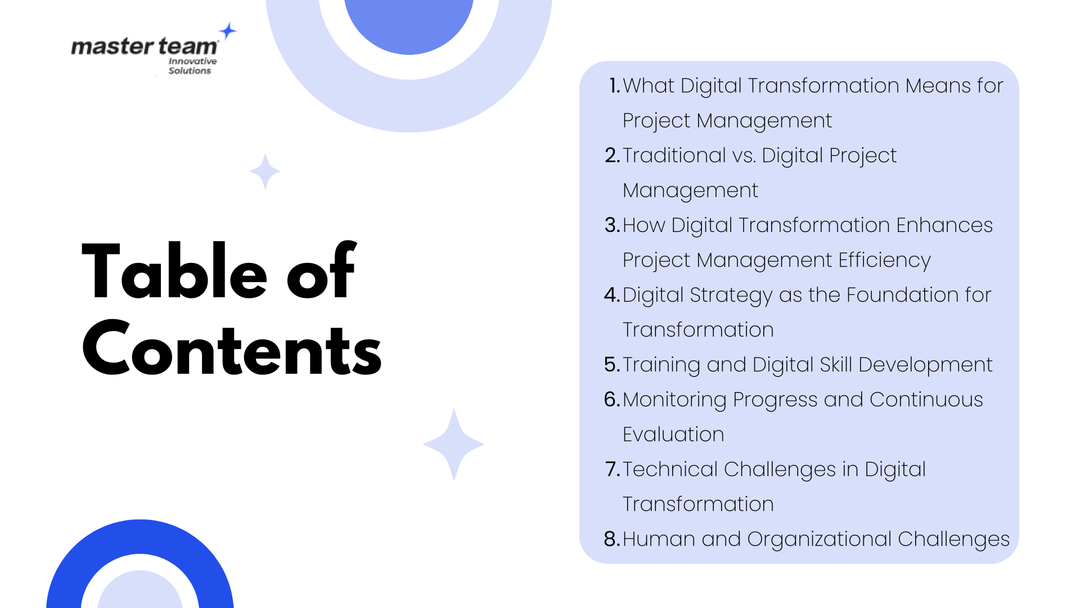
مفهوم التحول الرقمي وأثره في إدارة المشاريع
التحول الرقمي هو دمج التقنية الرقمية في جميع جوانب الأعمال، بهدف الانتقال من العمليات التقليدية إلى عمليات رقمية بالكامل. ويعرّف الخبراء التحول الرقمي بأنه تطبيق شامل للتقنيات الرقمية لإعادة تشكيل طريقة عمل المؤسسات. فبدلًا من استخدام الأوراق والسجلات التقليدية، تعتمد الشركات اليوم على أنظمة ذكية وأدوات متقدمة (مثل المنصات السحابية والذكاء الاصطناعي) لتنفيذ المهام بسرعة ودقة أعلى.
يشمل تطبيق التحول الرقمي تحديث البنية التحتية التقنية، وتغيير ثقافة العمل، وتدريب الفرق على استخدام الأدوات الجديدة. ونتيجة لذلك، تتطور العمليات الإدارية والتشغيلية لتصبح نظامًا ذكيًا متكاملًا، ما يعزز الإبداع والفاعلية التشغيلية. كما يؤدي ذلك إلى تحسين تجربة العملاء وتسريع تقديم الخدمات. فعلى سبيل المثال، تتيح أنظمة إدارة المشاريع الرقمية تتبع الموارد والمهام في الوقت الفعلي، والتنبؤ بالمخاطر قبل وقوعها.
الفرق بين التحول الرقمي والإدارة التقليدية
في إدارة المشاريع
تعتمد أساليب إدارة المشاريع التقليدية على عمليات يدوية وأدوات ثابتة، بينما تعتمد المنهجية الرقمية على برمجيات ذكية، وأتمتة، وتعاون فوري عبر منصات رقمية.
في النظام التقليدي، يسجل مديرو المشاريع المهام على الورق أو في جداول إكسل، ويتواصلون عبر اجتماعات متكررة ورسائل بريد إلكتروني. ويؤدي هذا الأسلوب إلى فقدان الوقت، وتأخر تدفق المعلومات، وضعف الشفافية. في المقابل، توفر الأنظمة الرقمية (مثل نظام إدارة المشاريع P+) ميزات متقدمة: فهي تدعم التخطيط الذكي بجداول زمنية فورية، وتحليلات تنبؤية، وتتيح للفرق متابعة التقدم عبر لوحات معلومات آلية.
كما توفر الأنظمة الرقمية أدوات تعاون فورية تربط جميع أعضاء الفريق وتقلل الحاجة إلى الاجتماعات الطويلة. ونتيجة لذلك، ترتفع الإنتاجية، ويقل هدر الوقت والتكلفة. وتقلل الإدارة الرقمية الخطأ البشري وتؤتمت المهام المتكررة. وتظهر الدراسات أن الانتقال إلى الأنظمة الرقمية يمكن أن يؤدي إلى نتائج مشاريع أسرع وأدق وأقل تكلفة، ما يمنح المؤسسات ميزة تنافسية في بيئة الأعمال الرقمية.
ولتوضيح الفروق الجوهرية بين الإدارة التقليدية والتحول الرقمي في إدارة المشاريع، يستعرض الجدول التالي أبرز الفروق من حيث الأدوات، وسير العمل، ومستويات الكفاءة، وأثر كل نهج على أداء المشروع:
كيف يسهم التحول الرقمي في تعزيز كفاءة أنظمة إدارة المشاريع
يعزز التحول الرقمي كفاءة أنظمة إدارة المشاريع من خلال أتمتة العمليات، وتحسين تنسيق الفرق، وتمكين اتخاذ القرارات القائمة على البيانات، وربط جميع عناصر المشروع ضمن منصة رقمية موحدة تضمن السرعة والدقة والشفافية.
لم تعد كفاءة إدارة المشاريع تعتمد فقط على خبرة مدير المشروع، بل ترتبط بشكل مباشر بقوة الأنظمة الرقمية المتوفرة. ويحوّل التحول الرقمي إدارة المشاريع من عمل يدوي مجزأ إلى نظام ذكي متكامل يغطي التخطيط والتنفيذ والمتابعة والتحكم وإدارة الموارد والمخاطر في الوقت الفعلي.
من خلال أنظمة إدارة المشاريع الرقمية، يمكن للجهات الحكومية والشركات في القطاع الخاص تقليل هدر الوقت، والتحكم في التكاليف، وتحسين جودة المخرجات، وزيادة الحوكمة والشفافية، بما يتماشى مع أهداف رؤية السعودية 2030 والتحول الرقمي المؤسسي.
ولفهم كيف يحدث ذلك عمليًا، يمكننا تقسيم مساهمة التحول الرقمي في كفاءة إدارة المشاريع إلى المجالات التالية:
1. استخدام البرمجيات الحديثة في إدارة المشاريع
2. الذكاء الاصطناعي وتحليلات البيانات في إدارة المشاريع
3. التكامل بين الأنظمة الرقمية وأدوات إدارة الموارد
1. بناء استراتيجية واضحة للتحول الرقمي: أساس التحول الناجح وكفاءة المشاريع المستدامة
يرتبط نجاح الانتقال إلى الأدوات الرقمية ارتباطًا وثيقًا بوضع استراتيجية مدروسة تحدد الأهداف الرقمية وتوائمها مع خطة عمل المؤسسة وجاهزيتها.
تُعد الرؤية الرقمية الواضحة حجر الأساس لأي تحول ناجح. ويجب أن تتوافق هذه الرؤية مع الأهداف الشاملة لأعمال المؤسسة، بما يضمن أن كل مبادرة رقمية تسهم في تحقيق الأهداف الاستراتيجية (مثل تحسين الكفاءة أو تعزيز خدمة العملاء). ويتطلب تحقيق ذلك إشراك كبار القادة وأصحاب المصلحة في عملية صياغة الاستراتيجية لضمان الانسجام المؤسسي، ووضع مؤشرات أداء محددة وقابلة للقياس والتحقيق وذات صلة ومحددة زمنيًا (SMART) لكل هدف رقمي.
فعلى سبيل المثال، قد يشمل التخطيط الرقمي إعداد خارطة طريق تُحسّن تدريجيًا آليات التدريب، وترفع مهارات الموظفين، وتحدّث البنية التحتية التقنية للمؤسسة، وتعيد هندسة العمليات التشغيلية.
كما يشدد الخبراء على أهمية تخصيص الموارد المادية والبشرية اللازمة، وتحديد جداول زمنية للتنفيذ، ووضع آلية تقييم مرحلية لإبقاء التحول على المسار الصحيح. وتعتمد كثير من الشركات على خدمات استشارية متخصصة لصياغة هذه الاستراتيجية الشاملة. وقد أشارت إحدى الدراسات إلى أن الربط الواضح بين أهداف الأعمال والتحول الرقمي يرفع احتمالية نجاح التنفيذ واستدامته على المدى الطويل.
2. التدريب على استخدام الأدوات الرقمية: تمكين الفرق لرفع الإنتاجية وتسريع تبني التحول الرقمي
يؤدي التدريب المستمر والموجّه على أدوات إدارة المشاريع الرقمية دورًا رئيسيًا في تمكين الفرق من تعظيم الاستفادة منها، وتحسين مهاراتها الرقمية، ورفع الكفاءة العامة.
حتى أفضل الأنظمة التقنية لن تحقق نتائج ما لم يكن الموظفون قادرين على استخدامها بفعالية. لذلك، من الضروري الاستثمار في تدريب عملي ومستمر يتماشى مع دور كل موظف وأهداف التحول في المؤسسة.
أكدت أبحاث إدارة التغيير أن أنظمة إدارة المشاريع الرقمية تنجح عندما يتبناها الموظفون بفعالية. ويتطلب ذلك تزويدهم بتدريب عملي، يشمل ورش عمل وتطبيقات حية. ويساعد التدريب الفرق على فهم المهام الجديدة ويقلل مقاومة التغيير، إذ إن ضعف الدعم التدريبي قد يدفع الأفراد للعودة إلى الأساليب التقليدية وإهمال الأنظمة الرقمية الجديدة.
لذلك، توصي أفضل الممارسات بتنظيم برامج تدريبية داخلية وخارجية، إلى جانب الدعم التقني المستمر، لضمان إتقان الجميع لاستخدام برمجيات مثل أنظمة إدارة المشاريع P+ أو غيرها من الحلول الجديدة بكفاءة.
ولا يقتصر أثر هذا التدريب على رفع المعرفة فحسب، بل يعزز أيضًا رضا الموظفين وثقتهم بالأدوات الحديثة، ما يؤدي إلى تبنٍّ سريع للتطبيقات الرقمية وزيادة إنتاجية الفريق.
3. متابعة التقدم والتقييم المستمر: ضمان عائد الاستثمار من التحول الرقمي وتصحيح المسار في الوقت المناسب
يجب متابعة تقدم التحول الرقمي بانتظام من خلال مؤشرات الأداء الرئيسية (KPIs) وأدوات القياس المتقدمة، لضمان تحقيق الأهداف واستمرار تقييم المسار.
يعتمد نجاح أي تحول رقمي على مدى فعالية متابعة نتائجه. فبدلًا من إتمام تطبيق نظام جديد وانتظار النتائج، تحدد المؤسسات الرائدة مؤشرات تقييم واضحة (مثل زيادة الإنتاجية أو معدلات تبني النظام) وتتابعها بانتظام.
فعلى سبيل المثال، تظهر الدراسات أن 81% من التنفيذيين في مجال التحول الرقمي يقيسون عائد الاستثمار (ROI) من خلال الإنتاجية. كما توصي الإرشادات بتتبع مؤشرات تتعلق بتجربة العملاء والموظفين، وسرعة التنفيذ، ومستويات الجودة، وغيرها. ويمكن استخدام أدوات تحليلات متقدمة ولوحات معلومات ذكية لعرض هذه البيانات في الوقت الفعلي، ما يساعد على اكتشاف الانحرافات أو العقبات مبكرًا.
وعند ملاحظة أي قصور، يتم تعديل الخطط أو تعزيز الدعم التدريبي. علاوة على ذلك، تحفّز متابعة التقدم الفرق من خلال المكافآت والاحتفاء بالإنجازات الصغيرة لتعزيز الالتزام. وتؤدي هذه الدورة المستمرة من القياس والتحسين دورًا مهمًا في تمكين التحول الرقمي من تحقيق أثر ملموس (مثل تحسين السرعة وكفاءة العمليات) وتعزيز الجاهزية لمتطلبات المستقبل.
التحديات التي قد تواجه التحول الرقمي في إدارة المشاريع
يمكن تقسيم التحديات التي تواجه التحول الرقمي في إدارة المشاريع إلى فئتين رئيسيتين: تحديات تقنية تتعلق بتكامل الأنظمة، وأمن البيانات، والبنية التحتية، وتحديات بشرية وتنظيمية تتعلق بمقاومة التغيير، وضعف المهارات الرقمية، وضعف ثقافة التحول داخل المؤسسة.
على الرغم من أن التحول الرقمي يُعد ركيزة أساسية لتحسين كفاءة أنظمة إدارة المشاريع، فإن تطبيقه العملي يواجه عقبات حقيقية قد تعيق تحقيق أهدافه إذا لم تُدار بمنهجية واضحة. وغالبًا ما تنشأ التحديات التقنية عند محاولة دمج أنظمة إدارة المشاريع الرقمية مع أنظمة قديمة أو غير مرنة، ما يؤدي إلى عزلة البيانات وضعف تدفق المعلومات.
أما التحديات البشرية والتنظيمية فترتبط بسلوكيات الأفراد وثقافة بيئة العمل، حيث قد يقاوم الموظفون التغيير بسبب الخوف من فقدان السيطرة أو غياب الوضوح بشأن الفوائد المتوقعة.
ويساعد إدراك هذه التحديات منذ البداية وتصنيفها بوضوح كلًا من الجهات الحكومية ومديري المشاريع في القطاع الخاص على بناء خطط تحول رقمي أكثر واقعية، ما يرفع فرص نجاح المبادرات الرقمية وتحقيق العائد المتوقع على الاستثمار.
وفيما يلي تفصيل أوضح لهذه التحديات، مقسمة إلى مجالات رئيسية:
1. التحديات التقنية
تشمل التحديات التقنية صعوبة دمج الأنظمة القديمة مع الحلول الرقمية الحديثة، وعزلة البيانات، وضعف البنية التحتية التقنية، ومخاطر أمن المعلومات، وهي عوامل قد تؤثر في كفاءة إدارة المشاريع الرقمية.
ولفهم هذه التحديات بشكل أفضل، يمكن تقسيمها إلى العقبات الرئيسية التالية التي تواجهها المؤسسات عند تطبيق التحول الرقمي:
- صعوبة دمج الأنظمة القديمة مع الأنظمة الجديدة: غالبًا ما تواجه المؤسسات صعوبة في ربط أنظمة ERP وCRM القديمة بمنصات إدارة المشاريع الحديثة، ما يؤدي إلى ازدواجية البيانات وتأخر تدفق المعلومات بين الأقسام.
- عزلة البيانات وضعف تدفق المعلومات: قد تبقى البيانات المخزنة في أنظمة غير متوافقة معزولة، ما يحد من الوصول إلى البيانات الحية والتقارير الفورية، ويؤثر بدوره في دقة اتخاذ القرار.
- تعقيد البنية التحتية التقنية والتحديثات: غالبًا ما تتطلب الأنظمة القديمة برمجة مخصصة وإنشاء جسور برمجية للعمل مع الأنظمة الحديثة، وهي عملية تستغرق وقتًا وتكلفة كبيرة.
- التحديات الأمنية: يزيد غياب التحديثات المستمرة للأنظمة القديمة من التعرض للهجمات السيبرانية، ما يجعل حماية البيانات والتحكم في الوصول إليها أكثر صعوبة.
الحلول الموصى بها:
- اعتماد حلول وسيطة (منصات تكامل) لربط الأنظمة القديمة والجديدة عبر واجهات برمجة التطبيقات (APIs).
- الانتقال التدريجي بالأنظمة التقليدية إلى السحابة لضمان مزامنة البيانات المالية والموارد.
- استخدام أدوات تحويل البيانات والحلول الجاهزة للتكامل والتي تدعم البروتوكولات الموحدة لتقليل الحاجة إلى برمجة مخصصة.
2. التحديات البشرية والتنظيمية
تشمل التحديات البشرية والتنظيمية مقاومة الموظفين للتغيير، وضعف المهارات الرقمية، وضعف التواصل الداخلي، وغياب إدارة فعالة للتغيير. ويمكن لهذه التحديات أن تعيق تبني أنظمة إدارة المشاريع الرقمية وتؤثر في نجاح التحول الرقمي بشكل عام.
ولمعالجة هذه التحديات، يمكن تصنيفها ضمن المجالات التالية، التي تساعد في بناء استراتيجيات فعالة لإدارة الفرق خلال عملية التحول الرقمي:
- مقاومة التغيير: قد يشعر الموظفون بالقلق أو المقاومة تجاه الأنظمة الرقمية الجديدة، خاصة إذا لم يفهموا الأهداف والفوائد المتوقعة، وقد يؤدي ذلك أحيانًا إلى العودة إلى الأساليب التقليدية.
- ضعف المهارات الرقمية: يقلل غياب التدريب العملي على الأدوات الرقمية من قدرة الفرق على استخدام أنظمة إدارة المشاريع الحديثة بفعالية، ما يؤثر في جودة التنفيذ وسرعة المشروع.
- ضعف التواصل الداخلي والتوعية: بدون خطة تواصل واضحة، قد يشعر الموظفون بعدم اليقين حيال مستقبل عملهم ودورهم في التحول، ما يزيد من المقاومة ويقلل من فعالية المشروع الرقمي.
- إدارة التغيير والتحفيز: يمكن لاستراتيجيات إدارة التغيير الفعالة، مثل ورش العمل وجلسات التوعية الداخلية وتقديم حوافز لتبني الأنظمة الرقمية، أن ترفع تقبّل الموظفين وتسرّع تبني الأدوات الجديدة.
- بناء ثقافة الابتكار والدعم المستمر: يمكن للتواصل المستمر، والتدريب الموجّه، وترسيخ ثقافة تشجع الابتكار والتجريب أن تحوّل التحديات البشرية إلى فرص لرفع الكفاءة، وتعزز جاهزية الفريق لتطبيق الحلول الرقمية بفعالية.
الحلول الموصى بها:
- تنفيذ خطة تواصل شاملة توضح بجلاء أهداف التحول الرقمي وفوائده المتوقعة لجميع الموظفين.
- تنظيم برامج تدريبية عملية مصممة لكل دور وظيفي لتطوير المهارات الرقمية اللازمة لاستخدام أنظمة إدارة المشاريع.
- إشراك الموظفين مبكرًا في عملية التحول الرقمي والاستماع إلى مخاوفهم لضمان تقبّل التغيير.
- تقديم حوافز ومكافآت للفرق التي تتبنى الأنظمة الرقمية بفعالية وتشجيع التميز في الأداء.
- إيجاد بيئة عمل داعمة للابتكار والتجريب، مع دعم قيادي مستمر لضمان نجاح التحول الرقمي على المدى الطويل.
الخاتمة: التحول الرقمي - طريقك نحو التميز في إدارة المشاريع
في ضوء ما سبق، يتضح أن التحول الرقمي عامل حاسم في تعزيز إدارة المشاريع من خلال رفع الإنتاجية، وتسريع العمليات، وتقليل الأخطاء والتكاليف، وتحسين الجودة والشفافية. غير أن تحقيق هذه الفوائد يتطلب استراتيجية واضحة تعالج الجوانب التقنية والبشرية معًا. وينبغي أن تشمل خطة الدخول الرقمي الناجحة تحديث الأنظمة، وتدريب الموظفين، ومتابعة الأداء، وإدارة فعالة للتغيير.
ولا شك أن المبادرات في المملكة العربية السعودية، مثل رؤية 2030 والجهات المتنوعة المعنية بالتحول الرقمي، تضع التحول الرقمي في صميم أولوياتها، ما يؤكد أهميته في منظومة العمل الوطنية. ومن خلال نهج منهجي ومتكامل، يمكن للمؤسسات السعودية رفع الكفاءة التشغيلية، وضمان نجاح المشاريع، ومواكبة التوجهات العالمية.
وفي النهاية، يعتمد التميز على التنفيذ السليم: من التخطيط المبكر وإعداد الاستراتيجية، إلى الدعم المستمر وتجاوز التحديات التقنية والبشرية بأفضل الحلول. وبهذه الطريقة، تصبح إدارة المشاريع أكثر مرونة واستباقية وقدرة على تحقيق أهدافها بفعالية، بما يتماشى مع التحول الرقمي الذي أصبح اليوم محورًا أساسيًا لتنافسية المؤسسات الحديثة.
💡 ابدأ رحلتك الرقمية الآن مع ماستر تيم: اكتشف كيف يمكن لأدوات متقدمة مثل حل P+ الرقمي لمكتب إدارة المشاريع، وحل S+ الرقمي للاستراتيجية، وحل ديوان للمكتب التنفيذي أن تحوّل تجربة إدارة مشاريعك إلى تجربة سلسة ومتكاملة وفعالة. زر الموقع لمعرفة المزيد!
الأسئلة الشائعة:
1- كيف يمكن قياس عائد الاستثمار (ROI) من التحول الرقمي؟
يمكن قياس عائد الاستثمار من خلال مقارنة الإنتاجية والكفاءة قبل تطبيق الأنظمة الرقمية وبعده. ويشمل ذلك احتساب الوفورات في الوقت والتكلفة، وتحليل أثرها في سرعة إنجاز المشروع وجودة النتائج.
2- ما دور الذكاء الاصطناعي في تعزيز تجربة العملاء؟
يساعد الذكاء الاصطناعي في التنبؤ الدقيق باحتياجات العملاء، وتقديم توصيات ذكية، وتسريع أوقات الاستجابة للمشكلات، ما يحسّن رضا العملاء وجودة الخدمات المقدمة.
3- هل يمكن للشركات الصغيرة تطبيق أنظمة إدارة المشاريع الرقمية؟
نعم، يمكن للشركات الصغيرة تبني أدوات رقمية مرنة قائمة على السحابة تتيح إدارة فعالة للمشاريع دون الحاجة إلى استثمارات كبيرة في البنية التحتية أو فرق تقنية متخصصة.
4- ما أفضل الطرق لتشجيع الفرق على تبني الأدوات الرقمية؟
يشمل أفضل نهج توفير تدريب عملي مخصص لكل دور، ودعم تقني مستمر، وتواصل واضح حول فوائد الأدوات، وتقديم مكافآت وحوافز مقابل الاستخدام الفعال للأنظمة الرقمية.
5- كيف تتماشى المشاريع الرقمية مع أهداف الاستدامة والحوكمة؟
يتيح التتبع الرقمي للعمليات والموارد تحكمًا أفضل في التكاليف والاستخدام، وتوثيق القرارات، وضمان الامتثال للمعايير التنظيمية والبيئية، وزيادة الشفافية والكفاءة.