
🚀 تخيل أنك تدير مشروعًا في قطاع يشهد تطورًا مستمرًا وتغيرات متسارعة، كقطاع التقنية أو الإنشاءات أو حتى الرعاية الصحية. ماذا لو أخبرتك أن مستقبل هذه القطاعات يعتمد بشكل كبير على القدرة على تنفيذ المشاريع بفعالية؟
لا يقتصر الأمر على إنجاز المهام في وقتها المحدد فحسب، بل يتعدى ذلك إلى ضمان أن تتماشى كل خطوة تُتخذ مع رؤية استراتيجية واضحة. والحقيقة أن النجاح في عالم اليوم لا يعتمد فقط على تقديم منتجات وخدمات مبتكرة، بل على كيفية إدارة المشاريع لتحقيق هذا الابتكار.
منذ بداية عام 2024، أصبحت إدارة المشاريع الفعالة عامل النجاح الرئيسي في العديد من القطاعات، مثل تقنية المعلومات والإنشاءات والرعاية الصحية والقطاع الحكومي. واليوم، لم يعد السؤال الأكبر في أي صناعة هو "هل نحن قادرون على تنفيذ هذا المشروع؟"، بل أصبح "هل نمتلك الأدوات والمنهجيات المناسبة لضمان النجاح؟"
📊 كلما زاد تعقيد المشاريع، ازدادت الحاجة إلى أدوات إدارة مشاريع متقدمة تساعد على تسريع التنفيذ وتقليل المخاطر ورفع الكفاءة.
💡 في هذا المقال، سأصطحبك في جولة عبر أهم القطاعات التي تعتمد على أدوات إدارة المشاريع، وكيف يمكن لهذه الأدوات أن تكون قوة دافعة للنجاح في عالم سريع التغير.
هل أنت مستعد للارتقاء بمشاريعك إلى المستوى التالي؟ اكتشف الحلول المتقدمة التي تقدمها Master Team لتبسيط إدارة مشاريعك. صُممت أدواتنا، بما في ذلك حل P+ الرقمي لمكتب إدارة المشاريع، وحل S+ الرقمي للاستراتيجية، وحل ديوان للمكتب التنفيذي، لتعزيز الكفاءة وتحسين اتخاذ القرار وضمان تنفيذ ناجح للمشاريع في مختلف الصناعات.
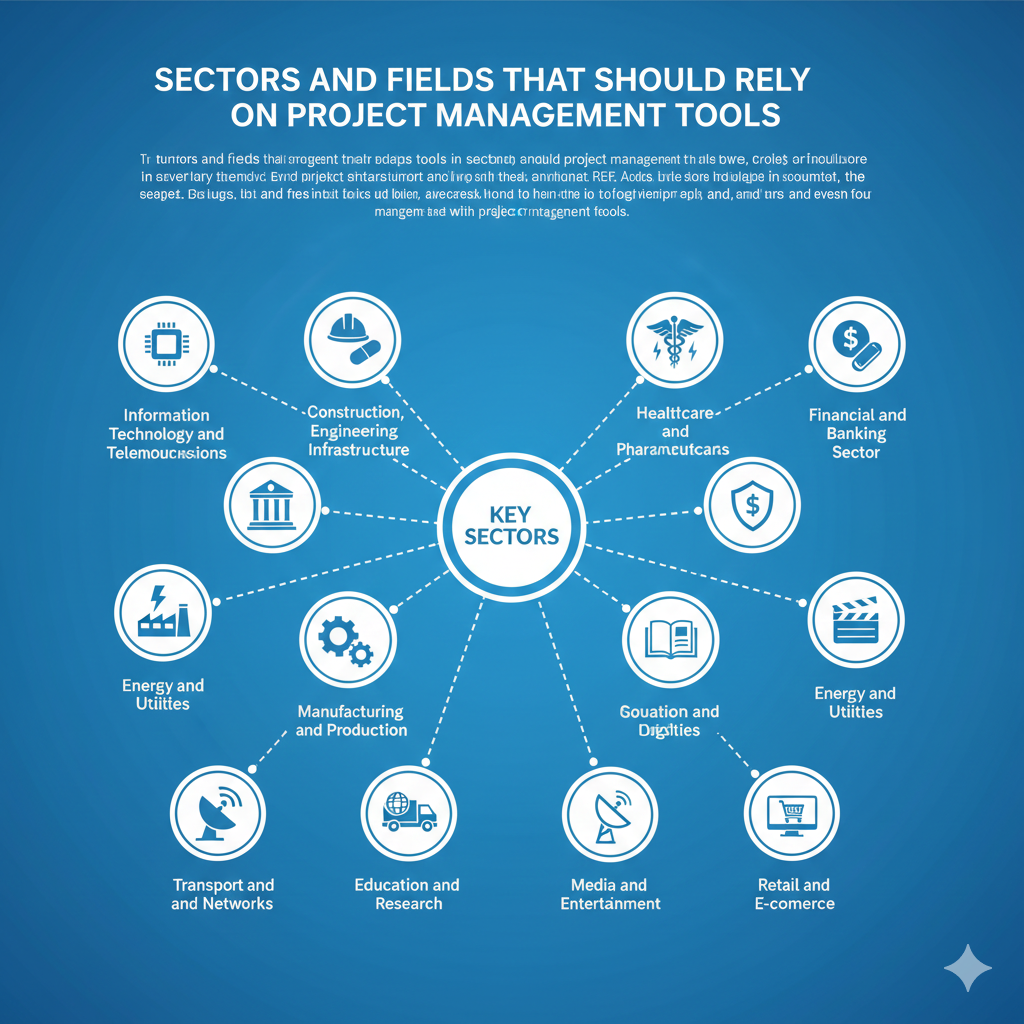
القطاعات والمجالات التي يجب أن تعتمد على أدوات إدارة المشاريع
من بين القطاعات التي تستفيد بشكل كبير من أدوات إدارة المشاريع قطاع تقنية المعلومات والاتصالات، الذي يشهد تطورًا سريعًا ويتطلب أدوات مرنة لإدارة المشاريع التقنية. كما يتطلب قطاع الإنشاءات والهندسة والبنية التحتية تنسيقًا دقيقًا بين تخصصات متعددة. إضافة إلى ذلك، يبرز قطاع الرعاية الصحية والأدوية، حيث تلعب الدقة والإدارة الفعالة دورًا محوريًا في مشاريع الأدوية والمرافق الصحية.
علاوة على ذلك، يعتمد القطاعان المالي والمصرفي على هذه الأدوات لضمان الامتثال للمعايير والإجراءات الأمنية، في حين يحتاج القطاع الحكومي إلى إدارة مشاريع فعالة لضمان الشفافية والمساءلة. وبالمثل، يتعامل قطاع الطاقة والمرافق مع مشاريع كبيرة ومعقدة، ويحتاج قطاع التصنيع والإنتاج إلى أدوات لتحسين الكفاءة والجودة. كما يحتاج قطاع التعليم والبحث العلمي إلى التنسيق بين أطراف متعددة لتحقيق أهدافه، ما يجعله قطاعًا حيويًا آخر يعتمد على أدوات إدارة المشاريع لضمان سلاسة العمليات وتحقيق نجاح مستدام.
تستفيد قطاعات عديدة من أدوات إدارة المشاريع، إلا أن بعضها يعتمد عليها بشكل أكبر نظرًا لطبيعة عملها وأنواع المشاريع التي تديرها.
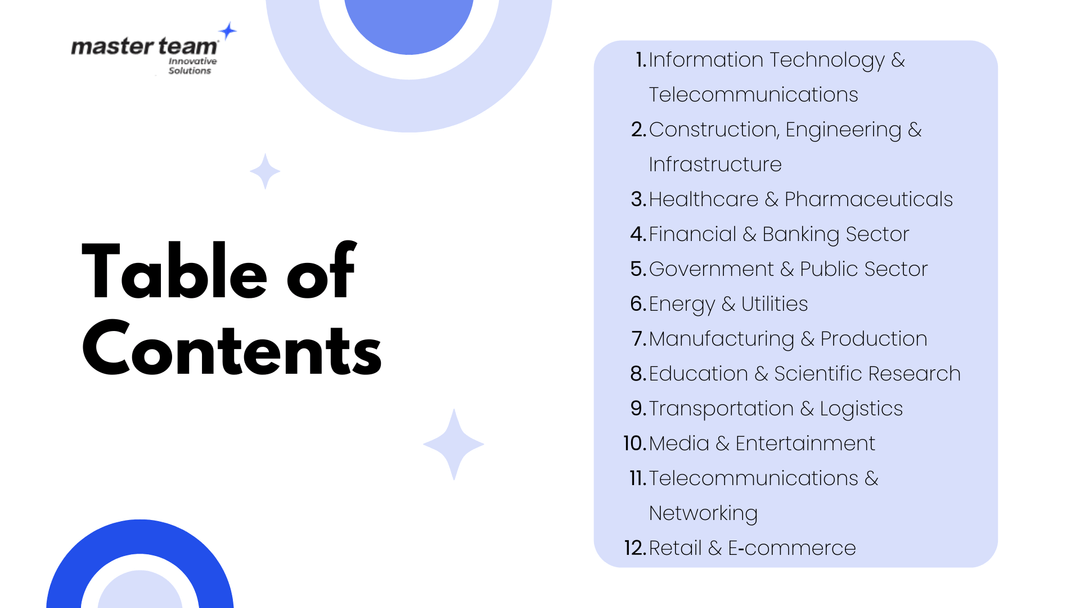
فيما يلي أبرز القطاعات التي تحتاج إلى استخدام أدوات إدارة المشاريع أكثر من غيرها:
- تقنية المعلومات والاتصالات
- الإنشاءات والهندسة والبنية التحتية
- الرعاية الصحية والأدوية
- القطاع المالي والمصرفي
- القطاع الحكومي والعام
- الطاقة والمرافق
- التصنيع والإنتاج
- التعليم والبحث العلمي
- النقل والخدمات اللوجستية
- الإعلام والترفيه
- الاتصالات والشبكات
- التجزئة والتجارة الإلكترونية
1. تقنية المعلومات والاتصالات: مفتاح النجاح في عالم رقمي سريع التطور
مع استمرار الابتكارات وتزايد المتطلبات، أصبحت الإدارة الاحترافية للمشاريع في قطاع تقنية المعلومات والاتصالات أكثر أهمية من أي وقت مضى. فكل يوم جديد يحمل تحديات جديدة تتطلب تخطيطًا دقيقًا ومرونة عالية لتحقيق أهداف المشروع في بيئة سريعة الإيقاع.
لا تقتصر أدوات إدارة المشاريع في هذا القطاع على تنسيق عمل الفرق فحسب، بل تُعد الأساس لتسريع التنفيذ وتقليل المخاطر. فباستخدام المنهجيات الرشيقة (Scrum وKanban وXP) والمنهجيات الهجينة، يمكن لشركات التقنية التكيف بسرعة مع التغيرات، وضمان دورات تكرار سريعة، وتقديم حلول مبتكرة في الوقت المحدد.
الأهمية الخاصة: يشهد هذا القطاع تطورًا سريعًا مع متطلبات تتغير باستمرار، ما يجعل إدارة المشاريع أمرًا بالغ الأهمية لمواكبة سرعته وتعقيده.
أنواع المشاريع:
- تطوير البرمجيات والتطبيقات
- تنفيذ أنظمة تخطيط موارد المؤسسات (ERP) وإدارة علاقات العملاء (CRM)
- مشاريع الأمن السيبراني
- مشاريع البنية التحتية التقنية
- مشاريع التحول الرقمي
- تطوير المواقع الإلكترونية والمنصات الرقمية
المنهجيات المناسبة: تُعد المنهجيات الرشيقة (Scrum وKanban وXP) والمنهجيات الهجينة الأنسب لهذا القطاع نظرًا للحاجة إلى المرونة والتكرار السريع.
التحديات:
- التغيرات التقنية المتسارعة
- المتطلبات المتطورة باستمرار
- دورات الإنتاج القصيرة
- الحاجة المستمرة إلى الابتكار
2. الإنشاءات والهندسة والبنية التحتية: بناء المستقبل يتطلب إدارة دقيقة
إذا كنت تدير مشروعًا في قطاع الإنشاءات والهندسة، فأنت لا تتعامل مع عملية بناء فحسب، بل تعمل على إرساء بنية تحتية ستدوم لعقود، وهو ما يستدعي اتخاذ قرارات دقيقة وتخطيطًا متأنيًا لضمان النجاح. فالمشاريع في هذا القطاع ليست كبيرة ومعقدة فحسب، بل تمتد أيضًا عبر تخصصات متعددة يجب تنسيقها بفعالية، إلى جانب إدارة موارد ضخمة وتكاليف مرتفعة.
ونظرًا للتعقيدات المستمرة، تتطلب مشاريع الهندسة والإنشاءات منهجيات تخطيط تقليدية، مثل منهجية الشلال (Waterfall) وأسلوب المسار الحرج (CPM) وتقنيات PERT، التي تساعد على تحديد الجداول الزمنية بدقة والتخطيط للاعتماديات بين الأنشطة. وتتيح هذه الأدوات لمشرفي المشاريع الحصول على رؤية دقيقة لسير العمل واتخاذ القرارات اللازمة لتسليم المشاريع في الوقت المحدد.
الأهمية الخاصة: مشاريع هذا القطاع كبيرة ومعقدة وطويلة الأمد، وتتطلب تنسيقًا دقيقًا بين تخصصات متعددة وموارد ضخمة.
أنواع المشاريع:
- مشاريع البنية التحتية (الطرق والجسور والأنفاق)
- المباني السكنية والتجارية
- المشاريع الصناعية والمصانع
- مشاريع الطاقة والمرافق
- مشاريع النفط والغاز
المنهجيات المناسبة: تُعد المنهجيات التقليدية مثل الشلال (Waterfall) وأسلوب المسار الحرج (CPM) وتقنيات PERT مناسبة تمامًا لهذا القطاع نظرًا لوضوح المتطلبات والحاجة إلى تخطيط تفصيلي.
التحديات:
- التعقيد العالي وكثرة الاعتماديات
- الموارد الضخمة والتكاليف المرتفعة
- المخاطر المتعلقة بالسلامة والبيئة
- التنسيق بين العديد من المقاولين والموردين
- تأثير الأحوال الجوية والمناخية
3. قطاع الرعاية الصحية والأدوية: إدارة دقيقة لتحقيق نتائج مؤثرة في حياة الناس
في قطاع الرعاية الصحية والأدوية، لا يكفي أن يكون المشروع ناجحًا من الناحية التقنية فقط، بل يجب أن يكون له أثر إيجابي مباشر على حياة الناس وصحتهم. ويشهد هذا القطاع مشاريع معقدة ومتقدمة تتطلب دقة متناهية وإدارة فعالة لضمان استيفاء الخدمات والعلاجات لأعلى معايير الجودة.
فمن تطوير الأدوية والعلاجات الجديدة إلى بناء المستشفيات وتوسعتها، يعكس كل مشروع في هذا القطاع التزامًا قويًا باللوائح الصحية الصارمة، ويتطلب التنسيق بين فرق متعددة، من الباحثين إلى الخبراء التقنيين. كما أنه من الضروري أن تلتزم هذه المشاريع بأطر قانونية وتنظيمية صارمة. لذلك، تتطلب إدارة هذه المشاريع أدوات دقيقة ومنهجيات إدارة مشاريع مصممة خصيصًا لتلبية احتياجات قطاع الرعاية الصحية.
الأهمية الخاصة: تؤثر مشاريع الرعاية الصحية بشكل مباشر على حياة الناس وسلامتهم، ما يجعل الإدارة الدقيقة والاحترافية أولوية قصوى.
أنواع المشاريع:
- بناء المستشفيات والمرافق الصحية وتوسعتها
- تطوير الأدوية والعلاجات الجديدة
- تنفيذ أنظمة السجلات الصحية الإلكترونية (EHR)
- مشاريع البحث والتطوير الطبي
- برامج الصحة العامة والتوعية
- مشاريع الأجهزة والمعدات الطبية
المنهجيات المناسبة: مزيج من المنهجيات التقليدية والرشيقة، مع تركيز قوي على إدارة الجودة والامتثال التنظيمي.
التحديات:
- المتطلبات التنظيمية والقانونية الصارمة
- معايير الجودة والسلامة العالية جدًا
- التعامل مع البيانات الحساسة
- الحاجة إلى مهارات متخصصة ونادرة
- التكلفة العالية للأخطاء
4. القطاع المالي والمصرفي: إدارة المشاريع لضمان الامتثال والكفاءة المالية
يُعد القطاع المالي والمصرفي صناعة حيوية تتعامل مع مبالغ مالية ضخمة وبيانات حساسة، وتخضع لسلسلة من اللوائح والقوانين الصارمة التي تهدف إلى حماية المستثمرين والعملاء. لذلك، تُعد الإدارة الدقيقة للمشاريع والتخطيط السليم عناصر أساسية للنجاح في هذا القطاع، إذ يمكن لأي خطأ أو تأخير أن يؤثر بشكل كبير على الاستقرار المالي والتشغيلي.
فمن تطوير الأنظمة المصرفية الحديثة إلى تنفيذ مشاريع الامتثال التنظيمي، يتطلب هذا القطاع مراقبة دقيقة وتنظيمًا صارمًا لجميع العمليات لضمان الالتزام بالقوانين المالية المحلية والدولية. علاوة على ذلك، تتطلب مشاريع مثل مبادرات مكافحة غسل الأموال أو عمليات اندماج المؤسسات المالية إجراءات وتقارير على درجة عالية من الدقة والموثوقية.
الأهمية الخاصة: يتعامل هذا القطاع مع موارد مالية ضخمة وبيانات حساسة، ويخضع للوائح صارمة.
أنواع المشاريع:
- تطوير الأنظمة المصرفية وتحديثها
- مشاريع الامتثال التنظيمي
- مشاريع الخدمات المصرفية الرقمية
- مشاريع إدارة المخاطر
- عمليات الاندماج والاستحواذ
- مشاريع مكافحة غسل الأموال (AML)
المنهجيات المناسبة: منهجيات تركز على الحوكمة والامتثال، مع إمكانية استخدام الأساليب الرشيقة في المشاريع التقنية.
التحديات:
- مخاوف الأمن والخصوصية
- الامتثال للوائح المعقدة
- إدارة المخاطر المالية
- استمرارية الأعمال
- التكامل مع الأنظمة القديمة
5. القطاع الحكومي والعام: إدارة المشاريع من أجل التنمية المستدامة والشفافية
يُعد القطاع الحكومي القلب النابض لأي دولة، إذ يتولى إدارة المشاريع التي تخدم المجتمع بأكمله وتؤثر في جميع جوانب الحياة اليومية. ولأن هذه المشاريع تُموَّل من أموال دافعي الضرائب، فإنها تتطلب مستوى عاليًا من الشفافية والمساءلة لضمان الاستخدام الأمثل للموارد وتحقيق أقصى فائدة للمجتمع.
تشمل المشاريع الحكومية نطاقًا واسعًا من الأنشطة، من تطوير البنية التحتية الوطنية إلى تنفيذ برامج التحول الرقمي الحكومي، إلى جانب مشاريع التعليم والصحة العامة. غير أن تعقيد هذه المشاريع وضخامتها، إلى جانب التنسيق بين أطراف متعددة، يجعل إدارتها تحديًا كبيرًا. كما تتطلب مشاريع الدفاع والأمن، وكذلك المبادرات الاجتماعية، مستويات متقدمة من التخطيط والمتابعة لضمان تحقيق الأهداف.
الأهمية الخاصة: تخدم المشاريع الحكومية المجتمع بأكمله وتستخدم أموال دافعي الضرائب، ما يستدعي مستويات عالية من الشفافية والمساءلة.
أنواع المشاريع:
- مشاريع البنية التحتية الوطنية
- برامج التحول الرقمي الحكومي
- مشاريع التعليم والصحة العامة
- مشاريع الدفاع والأمن
- مشاريع الإسكان والتطوير العمراني
- البرامج الاجتماعية والاقتصادية
المنهجيات المناسبة: منهجيات تقليدية جيدة التنظيم مثل PRINCE2، التي توفر إطار حوكمة قويًا، مع إمكانية دمج عناصر رشيقة.
التحديات:
- البيروقراطية والإجراءات المعقدة
- تعدد أصحاب المصلحة وتضارب المصالح
- الشفافية والمساءلة العامة
- القيود المالية الصارمة
- التأثيرات السياسية
6. قطاع الطاقة والمرافق: إدارة المشاريع لضمان استدامة المستقبل
يُعد قطاع الطاقة والمرافق أحد الركائز الأساسية لأي اقتصاد، إذ يسهم بشكل مباشر في تأمين احتياجات المجتمع من الطاقة والمياه. وهو قطاع ذو تأثيرات عميقة على الأمن الوطني والتنمية المستدامة. ولأن مشاريع الطاقة والمرافق كبيرة ومعقدة، فإن تنفيذها يتطلب تخطيطًا دقيقًا وتنظيمًا محكمًا لضمان تحقيق الأهداف بكفاءة، مع الحفاظ على السلامة البيئية واستدامة الموارد.
تتراوح المشاريع في هذا القطاع بين تطوير مصادر الطاقة المتجددة مثل الطاقة الشمسية وطاقة الرياح والهيدروجين، ومحطات الطاقة التقليدية، ومشاريع نقل الكهرباء وتوزيعها. إضافة إلى ذلك، تشمل مشاريع النفط والغاز، ومشاريع المياه والصرف الصحي، ومشاريع الطاقة النووية. وتتطلب كل هذه المشاريع فهمًا عميقًا للتقنيات المعقدة وإدارة استثمارات ضخمة تمتد لسنوات عديدة.
الأهمية الخاصة: مشاريع الطاقة ضخمة ومعقدة وطويلة الأمد، وتؤثر في الأمن الوطني والاقتصاد.
أنواع المشاريع:
- مشاريع الطاقة المتجددة (الشمسية والرياح والهيدروجين)
- محطات توليد الطاقة التقليدية
- شبكات نقل الكهرباء وتوزيعها
- مشاريع النفط والغاز
- مشاريع المياه والصرف الصحي
- مشاريع الطاقة النووية
المنهجيات المناسبة: تحظى المنهجيات التقليدية بالأفضلية في هذا القطاع لأنها توفر تخطيطًا تفصيليًا وتحكمًا دقيقًا في مراحل المشروع، مع تركيز قوي على إدارة المخاطر والسلامة. ومع تصاعد وتيرة الابتكار في مجال الطاقة، قد تستفيد بعض المشاريع من المنهجيات الرشيقة للتكيف مع التطورات السريعة.
التحديات:
- الاستثمارات الضخمة
- المخاطر البيئية والأمنية
- التعقيد التقني العالي
- الجداول الزمنية الطويلة
- التأثيرات الاقتصادية والاجتماعية الواسعة
7. قطاع التصنيع والإنتاج: تحسين الكفاءة والجودة لمواجهة التحديات العالمية
يُعد قطاع التصنيع والإنتاج محركًا رئيسيًا للنمو الاقتصادي في أي دولة، إذ يعتمد بشكل كبير على تحسين الكفاءة وجودة المنتجات لتلبية الطلب المتزايد في الأسواق العالمية. ومن خلال مشاريع تحسين الأداء والإنتاجية، يسعى هذا القطاع إلى تحقيق تميز تنافسي، مع التعامل في الوقت ذاته مع ضغوط التكاليف المرتفعة والتطورات التقنية المتسارعة.
الأهمية الخاصة: يتطلب هذا القطاع تحسينًا مستمرًا في الكفاءة والجودة والتكلفة للحفاظ على القدرة التنافسية.
أنواع المشاريع:
- تطوير منتجات جديدة
- تحديث خطوط الإنتاج والأتمتة
- مشاريع تحسين الجودة (Six Sigma وLean)
- توسعة المصانع والمرافق
- مشاريع التحول الصناعي الرقمي (الثورة الصناعية الرابعة)
- مشاريع الاستدامة والبيئة
المنهجيات المناسبة: التصنيع الرشيق (Lean Manufacturing)، وSix Sigma، والتصنيع الرشيق السريع (Agile Manufacturing)، والمنهجيات الهجينة.
التحديات:
- ضغوط التكلفة والأسعار
- المنافسة العالمية
- التطورات التقنية المتسارعة
- إدارة سلاسل التوريد المعقدة
- متطلبات الجودة والامتثال
8. قطاع التعليم والبحث العلمي: إدارة المشاريع من أجل تنمية المستقبل
يُعد قطاع التعليم والبحث العلمي المحرك الرئيسي لبناء مستقبل المجتمعات وتحقيق التنمية الاقتصادية والاجتماعية المستدامة. وتتطلب المشاريع التعليمية والبحثية تخطيطًا دقيقًا وإدارة فعالة لضمان تحقيق أهدافها، بما في ذلك توفير بيئة تعليمية عالية الجودة وتنفيذ أبحاث مبتكرة تسهم في التقدم العلمي. وتؤثر هذه المشاريع بشكل مباشر على الأجيال القادمة، وتلعب دورًا محوريًا في تشكيل المستقبل.
الأهمية الخاصة: تشكل المشاريع التعليمية والبحثية مستقبل المجتمع، وتتطلب إدارة دقيقة لتحقيق أهدافها.
أنواع المشاريع:
- تطوير المناهج والبرامج التعليمية
- مشاريع البنية التحتية التعليمية
- مشاريع البحث والتطوير
- برامج التعلم الإلكتروني والمنصات الرقمية
- مشاريع الابتكار والحاضنات
- برامج التطوير المهني والتدريب
المنهجيات المناسبة: تختلف المنهجيات باختلاف نوع المشروع؛ فمشاريع التعلم الإلكتروني، على سبيل المثال، تفضل المنهجيات الرشيقة مثل Scrum وKanban لضمان المرونة والتكيف مع التغيرات السريعة. أما مشاريع البنية التحتية التعليمية فتميل إلى استخدام المنهجيات التقليدية التي توفر تخطيطًا وتنفيذًا دقيقين.
التحديات:
- الميزانيات المحدودة
- تعدد أصحاب المصلحة (الطلاب، وأعضاء هيئة التدريس، والإدارة، وأولياء الأمور)
- قياس النتائج طويلة المدى
- مقاومة التغيير
- الموازنة بين الجودة والتكلفة
9. قطاع النقل والخدمات اللوجستية: إدارة المشاريع من أجل الكفاءة والسرعة
يُعد قطاع النقل والخدمات اللوجستية صناعة حيوية تلعب دورًا محوريًا في الاقتصادات العالمية والمحلية على حد سواء. ويتولى هذا القطاع نقل البضائع والركاب عبر الطرق والسكك الحديدية والجو والبحر، ويشكل العمود الفقري لأي اقتصاد يعتمد على التنقل والتجارة.
ومع تزايد الطلب على النقل السريع والآمن، تتطلب مشاريع النقل والخدمات اللوجستية إدارة دقيقة وكفاءة تشغيلية عالية لضمان تنسيق سلس بين جميع الأطراف المعنية والتسليم في الوقت المحدد.
الأهمية الخاصة: يشكل هذا القطاع العمود الفقري للاقتصاد، ويتطلب مستويات عالية من التنسيق والكفاءة التشغيلية.
أنواع المشاريع:
- مشاريع البنية التحتية للنقل (المطارات والموانئ والسكك الحديدية)
- أنظمة إدارة النقل الذكية
- مشاريع الأساطيل والمركبات
- مراكز التوزيع والخدمات اللوجستية
- أنظمة تتبع الشحنات والبضائع
- مشاريع النقل المستدام والكهربائي
المنهجيات المناسبة: يعتمد هذا القطاع على مزيج من المنهجيات التقليدية التي تركز على التخطيط الدقيق والتسليم في الوقت المحدد، مثل Waterfall وCPM، إلى جانب المنهجيات الرشيقة مثل Scrum وKanban للابتكار وسرعة التنفيذ في مشاريع النقل الذكي أو المشاريع القائمة على التقنية.
التحديات:
- التعقيد اللوجستي
- التنسيق بين جهات متعددة
- المتطلبات الأمنية والجمركية
- التأثيرات البيئية
- الحاجة إلى عمليات مستمرة على مدار الساعة
10. قطاع الإعلام والترفيه: إدارة المشاريع من أجل الابتكار والإنتاج السريع
يُعد قطاع الإعلام والترفيه من الصناعات التي تشهد تطورًا مستمرًا، ما يتطلب من المشاريع تحقيق توازن بين الإبداع والتنفيذ السريع والحفاظ على الجودة في آن واحد. ومع تصاعد المنافسة، يسعى القائمون على إدارة هذه المشاريع إلى تقديم محتوى جديد ومبتكر يجذب انتباه الجمهور بسرعة، ما يجعل إدارة المشاريع أداة أساسية للنجاح في هذه البيئة سريعة التغير.
الأهمية الخاصة: يتطلب هذا القطاع الإبداع والسرعة في الإنتاج مع الحفاظ على الجودة.
أنواع المشاريع:
- إنتاج الأفلام والبرامج التلفزيونية
- تنظيم الفعاليات والحفلات
- تطوير ألعاب الفيديو
- الحملات التسويقية والإعلانية
- البث الرقمي والمنصات الرقمية
- المحتوى الرقمي والوسائط المتعددة
المنهجيات المناسبة: تتمثل المنهجيات المناسبة لهذا القطاع في الأساليب الرشيقة مثل Scrum وKanban، التي تدعم التكرار السريع والابتكار المستمر. وتساعد هذه المنهجيات الفرق على التكيف بسرعة مع المتطلبات والاتجاهات المتغيرة، مع تعزيز التعاون بين الفرق الإبداعية والتقنية.
التحديات:
- الجداول الزمنية الضيقة
- الموازنة بين الإبداع والجانب العملي
- إدارة المواهب والفنانين
- التكاليف غير المتوقعة
- تغير الأذواق والاتجاهات
11. قطاع الاتصالات والشبكات: إدارة المشاريع من أجل تطوير البنية التحتية الرقمية
يُعد قطاع الاتصالات والشبكات العمود الفقري لجميع القطاعات الاقتصادية، إذ يتيح التواصل ونقل البيانات بفعالية. ويواجه هذا القطاع تحديات كبيرة نتيجة التطورات التقنية المتسارعة، والمتطلبات التنظيمية المعقدة، والاستثمارات الضخمة اللازمة لضمان استمرار كفاءة خدماته.
الأهمية الخاصة: تُعد بنية الاتصالات التحتية حيوية لجميع القطاعات الأخرى، وتتطلب استثمارات ضخمة.
أنواع المشاريع:
- نشر شبكات الجيل الخامس (5G)
- توسعة شبكات الألياف الضوئية
- مشاريع البنية التحتية السحابية
- مشاريع الأمن السيبراني للشبكات
- مراكز البيانات
- أنظمة الفوترة وخدمة العملاء
المنهجيات المناسبة: يتطلب هذا القطاع منهجيات هجينة تجمع بين التخطيط التفصيلي للبنية التحتية والمرونة في تقديم الخدمات. ويشمل ذلك مزيجًا من المنهجيات التقليدية (مثل Waterfall) والمنهجيات الرشيقة (مثل Scrum) لضمان التكيف مع التغيرات التقنية المتسارعة.
التحديات:
- التطور التقني المتسارع
- الاستثمارات الرأسمالية الكبيرة
- المنافسة الشديدة
- المتطلبات التنظيمية
- توقعات العملاء المرتفعة
12. قطاع التجزئة والتجارة الإلكترونية: إدارة المشاريع لمواكبة التحول الرقمي السريع
يشهد قطاع التجزئة والتجارة الإلكترونية تحولًا رقميًا مستمرًا، ما يجعل تبني أدوات إدارة المشاريع أمرًا ضروريًا لمواكبة التغيرات المتسارعة. ويواجه هذا القطاع تحديات كبيرة نتيجة التحولات التقنية المستمرة وتزايد متطلبات العملاء، الأمر الذي يتطلب إدارة مشاريع مرنة وفعالة لضمان النمو المستمر والابتكار.
أنواع المشاريع:
- تطوير منصات التجارة الإلكترونية
- مشاريع التحول الرقمي للمتاجر
- أنظمة إدارة المخزون وسلسلة التوريد
- مشاريع تجربة العملاء
- برامج الولاء والتسويق الرقمي
- مشاريع الدفع الإلكتروني
المنهجيات المناسبة: تُعد المنهجيات الرشيقة (مثل Scrum وKanban) مناسبة بشكل خاص لهذا القطاع نظرًا للتغيرات السريعة في السوق والتقنية. وتتيح هذه المنهجيات التكيف السريع مع التحديات الجديدة وضمان تنفيذ فعال للمشاريع، خاصة مع التطور المستمر لاحتياجات العملاء.
التحديات:
- المنافسة الشديدة
- التغيرات السريعة في سلوك المستهلك
- إدارة البيانات الضخمة
- الأمن السيبراني
- التكامل بين القنوات المختلفة
الخاتمة: أدوات إدارة المشاريع - مفتاح تحقيق النجاح المستدام في القطاعات الحيوية
في عالم اليوم، لم تعد أدوات إدارة المشاريع مجرد وسائل تقنية، بل أصبحت الأساس الذي يقوم عليه النجاح في القطاعات الحيوية التي تشهد تحولات مستمرة، مثل تقنية المعلومات والإنشاءات والرعاية الصحية والقطاع الحكومي. وتساعد هذه الأدوات على تحقيق التنسيق الأمثل بين الفرق، وتسريع تنفيذ المشاريع، وتقليل المخاطر، ما يسهم بشكل مباشر في تحقيق أهداف المؤسسات بكفاءة.
سواء كنت تدير مشروعًا في القطاع المالي أو الحكومي أو حتى في قطاع الإعلام والترفيه، فإن استخدام المنهجيات الصحيحة أمر بالغ الأهمية للتعامل مع التحديات التي تظهر في كل مرحلة من مراحل المشروع. لذلك، تصبح إدارة المشاريع أداة استراتيجية لا غنى عنها لمواكبة متطلبات السوق المتغيرة وضمان نمو مستدام.
إذا كنت تبحث عن أدوات متكاملة ومبتكرة لإدارة مشاريعك بكفاءة، فاستكشف منصات مثل Master Team التي تقدم حلولًا ذكية تضمن لك تحقيق أهدافك بسرعة ودقة. لا تفوّت فرص النجاح، جرّب Master Team اليوم وابدأ في تحسين أداء مشاريعك الآن!
الأسئلة الشائعة:
1- ما هي أدوات إدارة المشاريع، ولماذا هي مهمة؟
أدوات إدارة المشاريع هي مجموعة من الأدوات والبرمجيات التي تساعد الفرق على تخطيط مشاريعها وتنفيذها ومتابعتها. وهي ضرورية لضمان تنسيق فعال بين الفرق، وتسريع التنفيذ، وتقليل المخاطر المرتبطة بالمشروع. وتُعد هذه الأدوات بالغة الأهمية في القطاعات سريعة التطور مثل تقنية المعلومات والإنشاءات والرعاية الصحية.
2- ما هي أكثر المنهجيات استخدامًا في أدوات إدارة المشاريع؟
من أبرز هذه المنهجيات المنهجيات الرشيقة (مثل Scrum وKanban) التي تركز على التكيف السريع مع التغيرات، والمنهجيات التقليدية (مثل Waterfall وPRINCE2) التي توفر تخطيطًا تفصيليًا وتحكمًا في مراحل المشروع.
3- كيف يمكن لأدوات إدارة المشاريع أن تحسّن الكفاءة في القطاعات الحيوية؟
تُحسّن أدوات إدارة المشاريع الكفاءة من خلال تسهيل التنسيق بين الفرق، وتسريع اتخاذ القرار، وتقليل المخاطر. كما تضمن إنجاز المهام في وقتها المحدد، ما يساعد على تحقيق أهداف المشروع دون تجاوز الميزانية أو المساس بالجودة.
4- ما التحديات التي تواجهها القطاعات عند استخدام أدوات إدارة المشاريع؟
تشمل التحديات التغيرات التقنية المتسارعة، والتنسيق المعقد بين فرق متعددة، والمتطلبات التنظيمية الصارمة، وأحيانًا مقاومة التغيير من أصحاب المصلحة. إضافة إلى ذلك، تتطلب بعض القطاعات استثمارات كبيرة وتخطيطًا طويل المدى لتحقيق نتائج ناجحة.
5- كيف تختار أداة إدارة المشاريع المناسبة لقطاع معين؟
لاختيار الأداة المناسبة، من الضروري فهم احتياجات القطاع والبحث عن أدوات توفر المرونة أو التخطيط التفصيلي بحسب طبيعة المشاريع. فعلى سبيل المثال، قد تفضل القطاعات التقنية المنهجيات الرشيقة، في حين تميل قطاعات مثل الإنشاءات والطاقة إلى المنهجيات التقليدية التي تركز على التخطيط التفصيلي والتحكم أثناء التنفيذ.