
فوائد دمج أنظمة إدارة المشاريع مع أنظمة تخطيط موارد المؤسسات (ERP): إطلاق الكفاءة والشفافية
📉 تخيّل مشروعاً بقيمة ملايين الريالات، وفريقاً ذا خبرة، وجدولاً زمنياً واضحاً… ومع ذلك يفشل المشروع. ليس بسبب نقص التمويل، بل لأن البيانات كانت مبعثرة، والقرارات بطيئة، والرؤية غير مكتملة.
هذه ليست حادثة معزولة، بل واقع متكرر في المؤسسات التي تدير مشاريعها وأنظمتها التشغيلية بمعزل عن بعضها البعض.
⚙️ في عصر التحول الرقمي، لم تعد المشكلة في امتلاك أنظمة إدارة المشاريع أو أنظمة ERP. المشكلة الحقيقية تكمن في غياب التكامل بينهما.
عندما يعمل نظام إدارة المشاريع بمعزل عن النظام المالي والموارد البشرية وسلاسل الإمداد، فإن ذلك يعني اتخاذ القرارات بناءً على بيانات غير مكتملة، وتقارير متأخرة، وتقديرات غير دقيقة.
📊 تُظهر التوجهات العالمية أن المؤسسات عالية الأداء هي تلك التي تعتمد على منظومات رقمية متكاملة تربط بين:
- التخطيط الاستراتيجي
- إدارة المشاريع والمحافظ
- الموارد والشؤون المالية
- الحوكمة التنفيذية
💡 هنا يبرز دمج أنظمة إدارة المشاريع مع ERP كخيار استراتيجي، لا مجرد خيار تشغيلي. فالتكامل يحوّل البيانات إلى قرارات فورية، والمشاريع إلى استثمارات قابلة للقياس، والإدارة من تفاعلية إلى قيادة استباقية.
🔍 في هذا المقال، نقدّم تحليلاً عملياً ومعمّقاً لفوائد دمج أنظمة إدارة المشاريع مع ERP، وكيف يفتح هذا التكامل فرصاً حقيقية للكفاءة التشغيلية، والشفافية، وضبط التكاليف، واتخاذ القرارات الذكية. كما نربط هذه الفوائد بأفضل الممارسات والحلول الرقمية المتقدمة المناسبة للمؤسسات السعودية.
فوائد دمج أنظمة إدارة المشاريع مع أنظمة ERP
يوفر دمج أنظمة إدارة المشاريع مع أنظمة ERP كفاءة تشغيلية أعلى، وشفافية كاملة في البيانات، وضبطاً أدق للموارد والميزانيات، وتسريعاً ملحوظاً في اتخاذ القرار من خلال توحيد جميع بيانات المشروع والبيانات المالية والتشغيلية في منصة رقمية واحدة.
عندما تعمل أنظمة إدارة المشاريع بمعزل عن أنظمة ERP، تتشتت البيانات بين أدوات متعددة، مما يؤدي إلى ازدواجية الجهود، وتناقض التقارير، وتأخر اتخاذ القرار. أما عند دمج ERP مع أنظمة إدارة المشاريع، فإن جميع مكونات المشروع، من التخطيط والموارد إلى التكاليف والجداول الزمنية والأداء، تصبح مترابطة في الوقت الفعلي (التكامل اللحظي).
لا يقتصر أثر هذا التكامل على تعزيز كفاءة إدارة المشاريع فحسب، بل يحوّل إدارة المشاريع من عملية تشغيلية منفصلة إلى ركن أساسي من حوكمة المؤسسة. فتُتخذ القرارات بناءً على بيانات فورية لإدارة المشاريع، وتصبح المتابعة دقيقة، والمساءلة واضحة، ويسهل رصد المخاطر مبكراً.
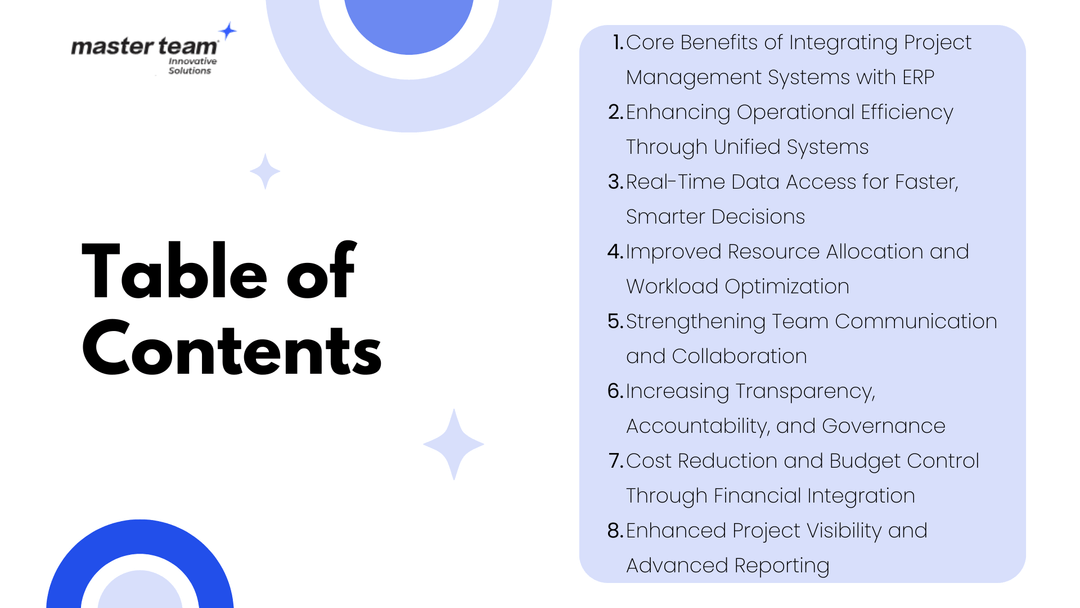
من خلال هذا التكامل الذكي بين أنظمة إدارة المشاريع وERP، تبرز مجموعة من الفوائد الاستراتيجية الواضحة التي تؤثر مباشرة على أداء المشروع ونجاحه:
- تعزيز الكفاءة التشغيلية
- الوصول الفوري إلى البيانات
- تحسين توزيع الموارد
- تعزيز تواصل الفريق
- زيادة الشفافية والمساءلة
- خفض التكاليف وضبط الميزانية
- تحسين رؤية المشروع والتقارير
1. تعزيز الكفاءة التشغيلية: كيف يعزز تكامل ERP الكفاءة ويقلل الهدر؟
يعزز دمج أنظمة إدارة المشاريع مع أنظمة ERP الكفاءة التشغيلية بشكل كبير من خلال أتمتة العمليات وتوحيد الأدوات، مما يقلل من هدر الوقت والجهد. فبدلاً من الاعتماد على أنظمة منفصلة، يساعد النظام الموحد على تقليل المهام اليدوية المتكررة وتجنب الأخطاء البشرية.
فعلى سبيل المثال، تشير المصادر إلى أن أنظمة ERP تحسّن الكفاءة التشغيلية من خلال توحيد جميع الأنشطة التجارية في قاعدة بيانات واحدة، مما يسرّع تدفق المعلومات ويجعله أكثر سلاسة. وتوفر منصات مثل P+ (الحل الرقمي لمكتب إدارة المشاريع) إدارة مركزية للمشاريع، مما يعزز فاعلية المكتب التنفيذي وينسّق تقدم المشاريع بين الفرق.
يمكن تلخيص الأثر العملي لهذا التكامل في سلسلة من الفوائد التشغيلية المباشرة التي تنعكس يومياً على سرعة التنفيذ، ودقة العمل، وسلاسة العمليات داخل المؤسسة. وتشمل هذه الفوائد:
- أتمتة المهام الروتينية: يقلل التكامل من المهام اليدوية المتكررة (مثل إدخال البيانات وإعداد التقارير)، مما يريح الموظفين من الأعباء الروتينية.
- تدفق موحد للمعلومات: توفر الأنظمة المتكاملة قاعدة بيانات مركزية، بحيث تقوم كل إدارة بتحديث بياناتها مرة واحدة، لتنعكس فوراً على جميع التقارير وتسهّل تدفق البيانات بين الفرق بسلاسة.
- تقليل التأخيرات التشغيلية: مع إلغاء التنسيق اليدوي بين الأنظمة المنفصلة، تختفي العوائق غير الضرورية في سير العمل. وكما توضح Palmyra، فإن النظام المتكامل يمنح الإدارة القدرة على اتخاذ قرارات دقيقة وفي الوقت المناسب بناءً على معلومات فورية.
2. الوصول الفوري إلى البيانات: اتخاذ قرارات ذكية وفورية من خلال التكامل
يتيح دمج أنظمة إدارة المشاريع مع ERP الوصول الفوري إلى البيانات، مما يمكّن المديرين من اتخاذ قرارات سريعة بناءً على معلومات دقيقة. فبدلاً من انتظار تقارير منفصلة، يوفر النظام المتكامل لوحات بيانات تفاعلية تُحدَّث بياناتها في الوقت الفعلي، مما يتيح للفرق مراقبة تقدم المشروع والتكاليف والأداء دون تأخير.
ووفقاً لمصادر IBM، فإن توحيد البيانات ضمن نظام ERP يسهّل "مشاركة المعلومات وتحليلها بسهولة"، مما يعزز سرعة اتخاذ القرار استناداً إلى رؤية شاملة.
تتجلى القيمة الحقيقية لهذا التكامل على مستوى القيادة والإدارة من خلال إتاحة الوصول الفوري إلى المعلومات، وتحويل البيانات المجمّعة إلى قرارات سريعة ومدروسة. ويتضح ذلك بجلاء في النقاط التالية:
- بيانات المشروع في الوقت الفعلي: يقوم النظام الموحد بتحديث التقارير تلقائياً فور تسجيل أي عملية، مما يعني توفر البيانات المالية والتشغيلية فوراً لجميع صناع القرار. فعلى سبيل المثال، توفر حلول مثل الحل الرقمي للاستراتيجية S+ رؤية فورية لـمؤشرات الأداء الرئيسية (KPIs) لتحليل استراتيجي سريع.
- قرارات مبنية على معلومات دقيقة: يضمن تكامل ERP حصول المديرين على معلومات موثوقة وموحدة. ونتيجة لذلك، تُتخذ القرارات بناءً على بيانات محدّثة ودقيقة، مما يقلل من الأخطاء والتخمين في التخطيط.
- دورات اتخاذ قرار أسرع: مع توفر البيانات في الوقت الفعلي، تقل الحاجة إلى اجتماعات مطولة أو إرسال إشعارات لجمع المعلومات، مما يسرّع اتخاذ القرار ويتيح تنفيذ التعديلات اللازمة فوراً.
3. تحسين توزيع الموارد: توزيع ذكي للموارد من خلال تكامل الأنظمة لتحقيق أقصى استفادة
يتيح التكامل الفعّال بين أنظمة إدارة المشاريع وERP تحسين توزيع الموارد البشرية والمادية من خلال توزيع ذكي ومرن، مما يعظّم الاستفادة ويقضي على الفائض والنقص على حد سواء. ويحصل المديرون على رؤية شاملة لجداول الفرق، ومجموعات المهارات، وتوافر المعدات، مما يتيح تخصيص الموارد المناسبة لكل مهمة في الوقت المناسب.
وتشير مصادر متخصصة إلى أن هذا التكامل يساعد على "موازنة توزيع أعباء العمل"، حيث تؤدي متابعة توافر الفرق ومهاراتهم إلى تكليفات مهام فعالة مع تجنب إرهاق الموظفين.
يؤثر هذا المستوى من التكامل مباشرة على إدارة الموارد من خلال توفير رؤية شاملة ودقيقة للتوافر والاستخدام، مما يمكّن الإدارات من التخطيط الاستباقي وتوزيع الجهود بكفاءة. ويتضح ذلك في النقاط التالية:
- تخصيص دقيق للموارد: من خلال التكامل، يمكن للمديرين الوصول إلى بيانات الموارد المتاحة (مثل الموظفين والمعدات) لكل مشروع وتخصيصها بناءً على الاحتياجات الفعلية والتوقيت الأمثل. فعلى سبيل المثال، يعرض النظام الموحد سجلات الوقت (timesheets) ومؤشرات الأداء، مما يسهّل تخطيط أعباء العمل.
- توزيع ذكي للموارد بين المشاريع: يساعد التكامل على نقل الموارد الفائضة إلى المشاريع التي تحتاجها أو إعادة جدولتها بناءً على الأولويات. ووفقاً لخبراء مثل PASconcept، فإن الرؤية الفورية لتوافر الموارد تضمن تخصيصاً فعالاً، وتقلل من هدر الوقت، وتوازن بين المشاريع المتعددة.
- القضاء على مشكلات نقص الموارد أو الاختناقات: يرسل النظام المتكامل تنبيهات عند توقع نقص أو فائض في الموارد. فعلى سبيل المثال، تُنبّه أنظمة مثل الحل الرقمي لمكتب إدارة المشاريع P+ المديرين عند الحاجة إلى موظفين إضافيين أو ضرورة إعادة جدولة المهام، مما يمنع حدوث تأخيرات غير متوقعة في المشروع.
4. تعزيز تواصل الفريق: كيف يحسّن التكامل التواصل الداخلي وييسّر التعاون
يعزز دمج أنظمة إدارة المشاريع مع ERP التواصل والتعاون بشكل كبير بين الفرق المختلفة من خلال توفير منصة موحدة لتبادل المعلومات، مما يقضي فعلياً على عزلة المعلومات. وعلى عكس السيناريو التقليدي الذي تتناثر فيه البيانات بين "جزر" منفصلة، يتيح النظام المتكامل مشاركة البيانات (مثل جداول العمل والتقارير) بين الفرق في الوقت الفعلي.
وتؤكد مصادر Akflex أن هذا التكامل "يعزز التنسيق والتواصل" من خلال توفير قناة موحدة لمشاركة البيانات، مما يقلل من التأخيرات الناتجة عن ضعف التواصل بين الإدارات.
يؤثر هذا التكامل مباشرة على كفاءة التواصل الداخلي من خلال كسر عزلة المعلومات بين الإدارات وتوفير مساحة عمل مشتركة يمكن للجميع من خلالها الوصول إلى البيانات نفسها في الوقت ذاته. ويعزز ذلك التعاون، ويقلل من سوء الفهم، ويحدّ من التأخيرات، كما توضح النقاط التالية:
- منصة معلومات موحدة: يمكن لجميع أعضاء الفريق (من المبيعات إلى المحاسبة) الوصول إلى التقارير والتحديثات نفسها في الوقت ذاته. فعلى سبيل المثال، يربط النظام المتكامل بيانات المبيعات بقاعدة بيانات المخزون في الوقت الفعلي، مما يوفر المعلومات عبر الإدارات دون الحاجة إلى إدخال يدوي إضافي.
- تنسيق سلس بين الفرق: يسهّل التكامل عقد الاجتماعات الافتراضية ومشاركة المستندات في آن واحد، مما يقلل من الحاجة للتنقل بين الإدارات. ووفقاً لـHAL Simplify، فإن توفر البيانات في الوقت الفعلي ونظام مركزي واحد "يبقي جميع الفرق على اطلاع متزامن"، مما يسهم في تنسيق أكثر فاعلية.
- تقليل الاجتماعات غير الضرورية: مع نظام متكامل، يقل الاعتماد على الاجتماعات لتبادل المعلومات الروتينية؛ إذ تُبقي التحديثات التلقائية للنظام الفرق على اطلاع بالمستجدات فور حدوثها. فعلى سبيل المثال، يزامن Diwan (حل المكتب التنفيذي) المهام التنفيذية ويجدول القرارات، مما يسرّع استجابة الفريق دون الحاجة لاجتماعات متكررة.
5. زيادة الشفافية والمساءلة: كيف يوضح التكامل الأدوار ويتيح متابعة دقيقة
يعزز التكامل بين أنظمة إدارة المشاريع وERP الشفافية والمساءلة بشكل كبير داخل المشروع. إذ يصبح كل إجراء قابلاً للتتبع وواضحاً لجميع أصحاب المصلحة. وعندما يعمل الجميع ضمن نظام موحد، يصبح مصدر البيانات مركزياً وآمناً، مما يمنح المديرين رؤية شاملة لحالة المشروع في الوقت الفعلي.
ووفقاً لـLogix، فإن توحيد البيانات في منصة مركزية واحدة يتيح للفرق "الرجوع إليها بثقة واتخاذ القرارات بناءً على معلومات دقيقة وموثوقة." كما توفر لوحات البيانات تقارير شاملة وفورية، تمنح صورة كاملة عن الحالة الراهنة للمشروع.
يعزز هذا التكامل الشفافية المؤسسية من خلال توحيد مصدر الحقيقة الواحد، وتوفير رؤية دقيقة ومفصلة لتقدم المشروع. كما يمكّن الإدارة من متابعة الأداء عن كثب وتحديد المسؤوليات بوضوح، دون أي لبس. ويتضح ذلك في الجوانب التالية:
- تقارير شاملة ومركّزة: يوفر النظام المتكامل لوحات بيانات مركّزة تعرض مؤشرات الأداء الرئيسية (KPIs)، مثل التقدم الزمني والتكاليف، بشفافية. وبدلاً من انتظار تقرير لعدة أيام، يمكن للمديرين الاطلاع فوراً على البيانات المحدّثة، مما يسهّل رصد المخاطر مبكراً.
- مراقبة مستمرة للأداء: من خلال الحفاظ على روابط مستمرة بين أنظمة ERP وأدوات إدارة المشاريع، يمكن لصناع القرار متابعة تقدم المشروع ومقارنة النتائج بالجداول الزمنية والميزانيات المخطط لها في الوقت الفعلي. وإذا انحرف أي جانب عن الخطة، يطلق النظام تنبيهات تتيح اتخاذ إجراءات تصحيحية قبل تفاقم المشكلات.
- تحديد واضح للأدوار والمساءلة: يسهّل النظام التكليف الدقيق للمهام والمسؤوليات لكل عضو في الفريق من خلال تحديد الصلاحيات وتسجيل كل إجراء. ويضمن ذلك وضوح دور كل فرد داخل النظام، مما يعزز المساءلة في إنجاز المهام ويضمن عدم إغفال أو نسيان أي مهمة.
6. خفض التكاليف وضبط الميزانية: كيف يساعد التكامل على إدارة الميزانيات وتحقيق الوفورات
يدعم التكامل بين أنظمة إدارة المشاريع وERP ضبط التكاليف وتحقيق الوفورات المالية من خلال تمكين المراقبة المالية في الوقت الفعلي والتنبيه المبكر بالأزمات المحتملة. ويمكن للمؤسسات متابعة نفقات المشروع بدقة باستخدام البيانات المالية المتكاملة لـERP المرتبطة بخطط المشروع.
فعلى سبيل المثال، تؤكد Microsoft أن أنظمة ERP تعزز ضبط الميزانية من خلال أتمتة العمليات المالية وتوفير إدارة مباشرة للتكاليف، مما يساعد الشركات على إبقاء الإنفاق تحت السيطرة وتحديد فرص خفض التكاليف.
يؤثر هذا التكامل مباشرة على النتائج المالية من خلال تمكين ضبط دقيق للنفقات، وربط الميزانيات بالتنفيذ الفعلي للمشروع. ويمنح ذلك الإدارة سيطرة أكبر على التكاليف والقدرة على اتخاذ قرارات تصحيحية بسرعة. ويتضح ذلك في النقاط التالية:
- تتبع التكاليف في الوقت الفعلي: يدمج النظام الحركات المحاسبية وحركات المشروع، ويسجل كل نفقة متعلقة بالمشروع فور حدوثها. ويتيح ذلك للمديرين رؤية الإنفاق الحالي لكل بند فوراً واكتشاف أي تجاوزات محتملة. فعلى سبيل المثال، إذا ارتفعت تكاليف المواد بشكل غير متوقع، يُرصد ذلك فوراً في النظام، مما يتيح فرصة لإعادة التفاوض مع الموردين أو تعديل خطة المشروع.
- ضبط الميزانية عبر تكامل البيانات المالية: من خلال ربط بيانات المشروع بالحسابات المالية لـERP، يسهّل النظام إعداد التقارير المالية وتحليلها. ويوفر تقارير مخصصة تقارن الميزانية الحالية بالتوقعات، مما يمنح تحكماً أفضل في المسار المالي للمشروع.
- تحقيق الوفورات وكفاءة التكاليف: مع الحسابات الآلية والبيانات الفورية، تقل الحاجة إلى أنظمة مالية منفصلة وعمل يدوي. ويؤدي ذلك مباشرة إلى وفورات في التكاليف التشغيلية وتقليل الأخطاء المحاسبية. كما يساعد التنبؤ المبكر باستهلاك الموارد على وضع استراتيجيات لتقليل الإنفاق الزائد.
7. تحسين رؤية المشروع والتقارير: كيف توفر الأنظمة المتكاملة تقارير دقيقة للمديرين
يوفر التكامل مع ERP رؤية شاملة ومحدّثة للمشروع من خلال لوحة بيانات موحدة، مما يمكّن المديرين من الوصول إلى تقارير دقيقة وفورية تدعم اتخاذ القرار الاستباقي. ومن خلال توحيد جميع بيانات المشروع (المهام، والتكاليف، والموارد) في نظام واحد، يحصل المديرون على صورة واضحة عن تقدم المشروع والتحديات المحتملة.
وتوضح NetSuite أن الأنظمة المتكاملة "توفر رؤية واضحة ومحدّثة للمهام والتكاليف والموارد المتاحة"، مما يعزز القدرة على اتخاذ قرارات وقائية. علاوة على ذلك، تتوفر تنبيهات تلقائية وتقارير مخصصة لعرض المخاطر المحتملة ومقارنة الأداء بالأهداف، مما يعزز متابعة المشروع وكفاءته.
ولإعطاء لمحة سريعة عن أبرز الفوائد التي يوفرها التكامل بين أنظمة إدارة المشاريع وERP، تلخص النقاط التالية أهم النتائج:
- لوحة بيانات موحدة: تُعرض جميع معلومات المشروع (المهام المنجزة، والجداول الزمنية، والحالة المالية) في لوحة بيانات واحدة. فعلى سبيل المثال، يعرض النظام تقدم كل مهمة عبر مخطط زمني، مع إبراز أي تأخيرات أو انحرافات عن الخطة، مما يتيح اتخاذ إجراءات تصحيحية سريعة.
- تقارير أداء محسّنة: تجمع التقارير التفاعلية البيانات من جميع الوحدات (المالية، والمحاسبية، والإنتاجية) وتعرضها بصيغة رسومية (لوحة بيانات). ويتيح ذلك للمديرين متابعة مؤشرات الأداء الرئيسية (KPIs) بسهولة. كما تدعم أدوات ذكاء الأعمال (BI) المتكاملة التحليل المعمق للمخاطر والاتجاهات المستقبلية، مما يعزز التقييم الاستراتيجي للمشاريع.
- تقارير موثقة وشفافة: توحّد الأنظمة المتكاملة كل سجل من سجلات المشروع، بحيث يكون موثقاً زمنياً ومالياً. وينتج عن ذلك تقارير شاملة وشفافة تعكس جميع جوانب المشروع. ويتيح هذا النوع من "التقارير الشفافة" لأصحاب المصلحة تقييم الحالة الراهنة للمشروع بثقة، ويعزز الثقة مع العملاء بفضل الرؤية الكاملة للأداء.
الخاتمة: نحو إدارة مشاريع أكثر ذكاءً وكفاءة
دمج أنظمة إدارة المشاريع مع أنظمة تخطيط موارد المؤسسات (ERP) ليس مجرد خيار تقني، بل خطوة استراتيجية تعيد تعريف طريقة إدارة المشاريع داخل المؤسسات السعودية. فمن تعزيز الكفاءة التشغيلية، والوصول الفوري إلى البيانات، وتحسين توزيع الموارد، إلى تيسير تواصل الفريق، وزيادة الشفافية، وضبط الميزانيات، وتوفير تقارير دقيقة، يبرز التكامل بوضوح كعامل حاسم في نجاح المشروع وتحقيق أهداف الأعمال.
في عالم الأعمال سريع الوتيرة اليوم، تصبح القدرة على اتخاذ قرارات سريعة ومدروسة، وتحديد المخاطر قبل وقوعها، وتحويل البيانات إلى رؤى استراتيجية، ميزة تنافسية لا يمكن تجاهلها. ويوفر دمج أنظمة إدارة المشاريع مع ERP هذا المستوى من التحكم والشفافية، محوّلاً المشاريع من مجرد مهام تشغيلية إلى استثمارات يمكن قياسها ومتابعتها باستمرار.
إذا كنت تتطلع إلى تحويل فريق إدارتك ومشاريع مؤسستك إلى نموذج أكثر ذكاءً وكفاءة، فإن Master Team جاهزة لدعمك. تواصل معنا اليوم لتكتشف كيف يمكن لحلولنا الرقمية المتكاملة أن تعزز أداء مشاريعك، وتوفر الوقت والموارد، وتمنحك نتائج قابلة للقياس وتحكماً كاملاً في كل تفاصيل عملك.
📩 تواصل مع Master Team الآن وابدأ رحلة التحول الرقمي لمشاريعك!
الأسئلة الشائعة
1- هل يمكن دمج أنظمة ERP القديمة مع أدوات إدارة المشاريع الحديثة؟
نعم، يمكن ذلك من خلال استخدام واجهات برمجة التطبيقات (APIs) أو منصات البرمجيات الوسيطة (Middleware) التي تتيح مزامنة البيانات بين الأنظمة القديمة والحديثة. ويتيح ذلك للمؤسسات الاستفادة من ميزات أدوات إدارة المشاريع الحديثة دون الحاجة إلى استبدال النظام المالي بالكامل، مع ضمان تدفق بيانات موثوق وفوري.
2- ما أبرز التحديات عند دمج أنظمة إدارة المشاريع مع ERP؟
تشمل التحديات الرئيسية: اختلاف صيغ البيانات بين الأنظمة، ومقاومة الموظفين للتغيير، وتفاوت مستوى المعرفة التقنية بين الفرق. ويمكن معالجة هذه التحديات من خلال التخطيط الدقيق، وتدريب الموظفين على النظام الجديد، واستخدام أدوات تكامل رقمية تضمن دمج البيانات بسلاسة وموثوقية.
3- هل يؤثر دمج الأنظمة على ثقافة الفريق وإجراءات العمل اليومية؟
نعم، غالباً ما يغيّر التكامل طريقة العمل اليومية بالانتقال من استخدام أدوات منفصلة إلى منصة موحدة. إلا أنه يحسّن التعاون ويقلل من ازدواجية العمل. وتساعد ممارسات إدارة التغيير الفعالة، مثل ورش العمل والتدريب المستمر، الفرق على التكيف بسرعة وجعل العملية أكثر سلاسة وإنتاجية.
4- هل يمكن لأنظمة ERP المدعومة بالذكاء الاصطناعي تحسين التنبؤ بالمشاريع؟
بالتأكيد! يمكن لأنظمة ERP الحديثة المتكاملة مع أدوات ذكاء الأعمال (BI) والذكاء الاصطناعي (AI) تحليل البيانات التاريخية لوضع تنبؤات دقيقة لاحتياجات المشاريع المستقبلية، مثل توزيع الموارد، والتكاليف، وجداول تسليم المشاريع. ويعزز ذلك التخطيط الاستراتيجي واتخاذ القرار بناءً على بيانات دقيقة، مما يمنع المشكلات المحتملة قبل وقوعها.
5- ما العائد المتوقع على الاستثمار (ROI) من دمج أنظمة إدارة المشاريع مع ERP؟
يظهر العائد على الاستثمار في عدة مجالات: تحسّن الكفاءة التشغيلية، وتقليل المهام اليدوية والهدر، وضبط أفضل للميزانية، وشفافية معززة. وعادة ما يمكن للشركات توقع تقليل التأخيرات بنسبة 20-30%، وتوفير التكاليف التشغيلية بنسبة 10-25%، وتحسين جودة القرار والحد من المخاطر، مما يجعل التكامل استثماراً استراتيجياً وقابلاً للقياس.